“Read the complete 2026 Toyota 4Runner review — explore its performance, design, features, and real-world value. Find out if it’s the right SUV for your lifestyle and budget.
Introduction
The 2026 Toyota 4Runner represents a significant evolution in Toyota’s legendary mid-size SUV segment. After a complete redesign for the 2025 model year, the new generation 4Runner combines bold, modern styling with uncompromising off-road capability that adventurers have trusted for generations. Available with either a turbocharged 2.4-liter gasoline engine or a more powerful hybrid variant, this 4Runner delivers impressive horsepower and torque for both daily commuting and weekend explorations. Whether you’re navigating busy city streets or conquering rugged mountain trails, the 4Runner stands as a compelling option for buyers seeking a genuine three-row SUV that doesn’t compromise on performance or functionality.
Key Specifications
Here are the essential specs that define the 2026 4Runner:
Engine Options:
- Standard i-FORCE: 2.4L turbocharged four-cylinder, 278 hp, 317 lb-ft torque
- Available i-FORCE MAX Hybrid: 2.4L turbocharged four-cylinder with hybrid assist, 326 hp, 465 lb-ft torque
Transmission: Eight-speed automatic (all models)
Drivetrain: Rear-wheel drive standard on SR5, TRD Sport, and Limited; Four-wheel drive standard on all TRD Off-Road trims and hybrid models; Full-time 4WD available with electronic locking center differential on Limited and higher trims
Fuel Economy (EPA-Estimated):
- RWD with i-FORCE: 20 city, 26 highway, 22 combined mpg
- 4WD with i-FORCE: 19-20 city, 24-25 highway, 21 combined mpg
- All i-FORCE MAX models: 23-24 city, 24 highway, 23 combined mpg
Towing Capacity: 6,000 pounds (all models)
Seating: Five to seven passengers depending on configuration
Cargo Space: 84.3 cubic feet (with third row folded)
Fuel Tank Capacity: Approximately 21 gallons
Starting Price: $43,065 (SR5 with RWD, including destination)
Safety Rating: The 2025 4Runner received a 4-star overall NHTSA rating with 5-star side crash protection
Exterior Design Review
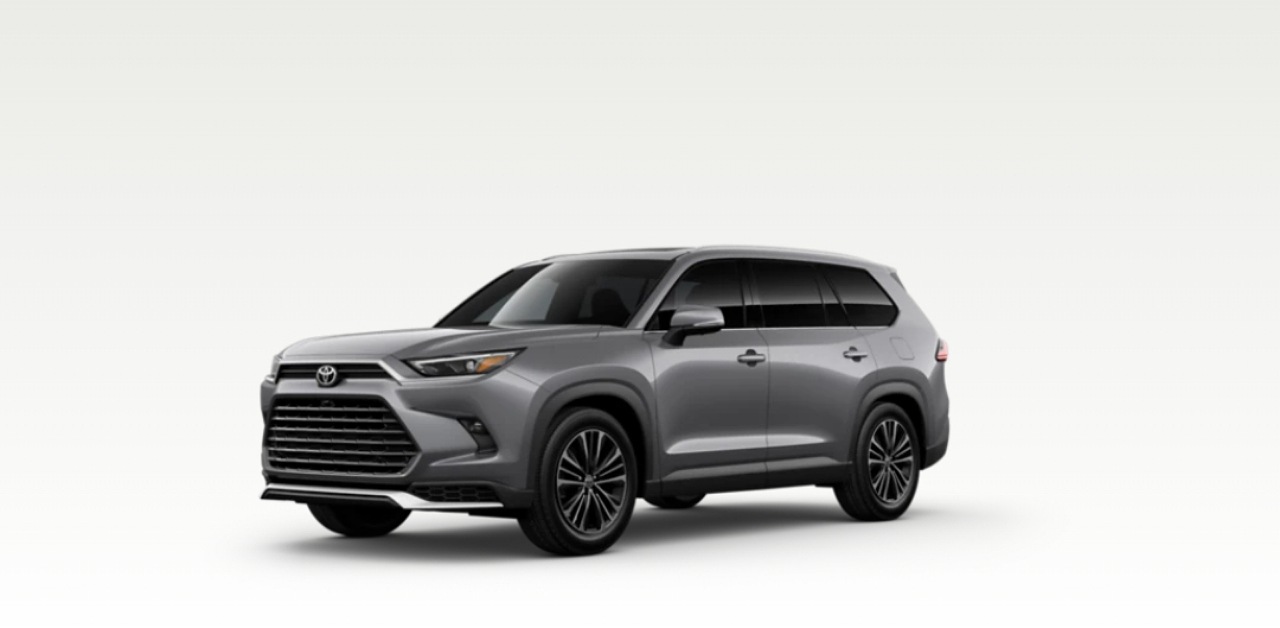
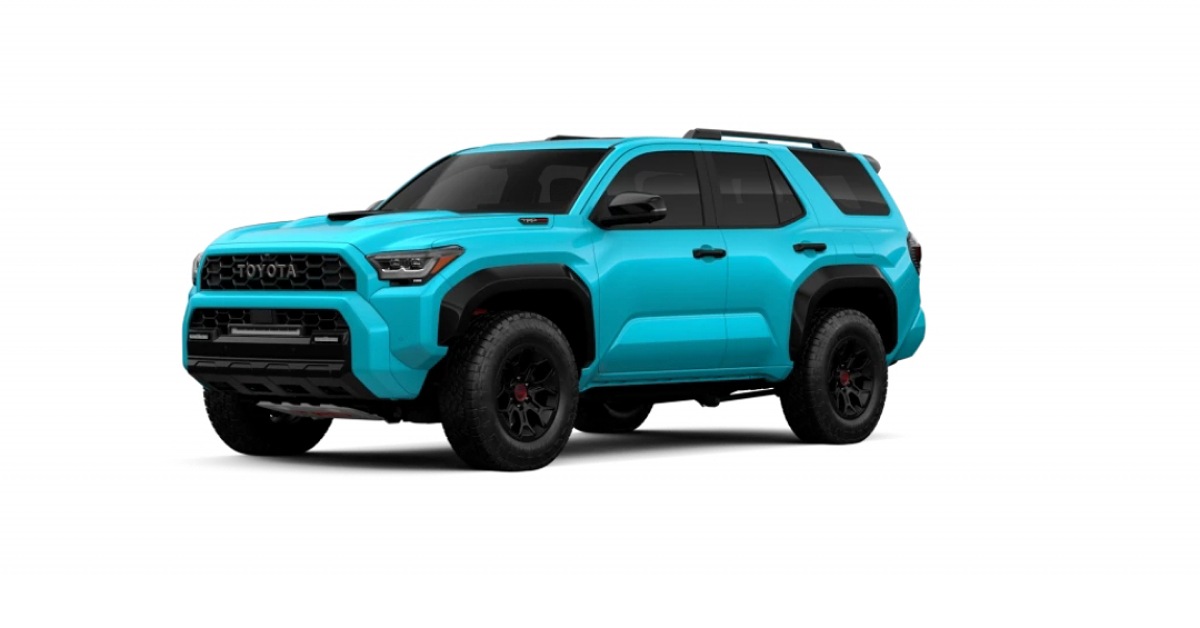
The 2026 Toyota 4Runner sports a completely reimagined exterior that honors the model’s heritage while introducing contemporary design language. The front fascia features a bold, commanding grille with integrated LED lighting on higher trims, flanked by sleek LED headlights that improve visibility in low-light conditions. The aggressive stance is enhanced by modern LED daytime running lights that give the 4Runner an unmistakable presence on the road.
The headlight and DRL design incorporates Toyota’s latest technology, with the LED fog lights mounted in a sculpted lower bumper section. An integrated air dam improves aerodynamics, though early reports indicate this component should be monitored during ownership. The hood features purposeful lines and character creases that emphasize the vehicle’s athletic build.
Moving to the sides, the 4Runner showcases a distinct boxy silhouette that SUV enthusiasts have always loved. The body side flows smoothly from the front fenders to the rear quarter panels, with visible wheel arches that hint at the vehicle’s genuine off-road DNA. Alloy wheels come in multiple designs depending on trim level, ranging from practical 17-inch designs on base SR5 models to premium 20-inch wheels on Limited trims and specialty options on higher variants.
Available colors include classic options and the new Wave Maker blue, which features a unique shimmering finish that catches light differently in various conditions. The 4Runner measures 190.2 inches in length with an 113.8-inch wheelbase, providing a commanding road presence without excessive length that complicates everyday driving.
The exterior build quality emphasizes durability, with integrated roof rails (black on most trims, satin-chrome on Limited), power-folding heated side mirrors, and generously sized windows that provide excellent visibility. The rear design completes the muscular profile with LED taillights that echo the modern front end design.
Interior Review
Step inside the 2026 4Runner, and you’ll discover a completely redesigned cabin that shifts focus toward comfort and technology while maintaining the durability expected from this legendary brand. The dashboard layout borrows heavily from Toyota’s acclaimed Tacoma design, featuring a driver-centric configuration where all primary controls remain within easy reach without excessive arm movement.
The standard 8.0-inch touchscreen infotainment display runs Toyota’s latest software platform, which users consistently praise for responsiveness and intuitive menu navigation. An optional 14.0-inch display provides expanded functionality and better visibility, particularly appreciated on longer drives. Both systems integrate wireless Apple CarPlay and Android Auto connectivity, allowing seamless smartphone integration for navigation, music streaming, and hands-free calling.
The digital instrument cluster adjusts based on trim level, with a standard display providing essential information and an available 12.3-inch customizable cluster on premium trims offering real-time powertrain efficiency data, terrain mode information, and detailed trip computer functions. This is particularly valuable for hybrid owners who appreciate monitoring power flow between the combustion engine and electric motor.
Seating comfort receives significant attention, with cloth upholstery standard on SR5 models and available synthetic leather on TRD Sport Premium and above. Higher trims feature heated and ventilated front seats, a heated steering wheel, and power-adjustable eight-way front seats with memory functions. The seats themselves provide excellent bolstering for highway driving while remaining comfortable for urban commuting.
Second-row passengers enjoy generous legroom and a reclined seating angle that promotes comfort on extended journeys. Storage bins positioned strategically throughout the cabin provide practical organization, while dual-zone automatic climate control on Limited models allows front and rear passengers to set independent temperature preferences. An optional third-row seat accommodates occasional passengers, though it’s best reserved for children or shorter journeys due to limited legroom.
The infotainment screen integration includes a universal garage door opener, digital key system enabling smartphone-based vehicle access and starting, and wireless smartphone charging on upper trims. USB-C ports throughout the cabin ensure your devices stay charged during adventures. The cabin isolation proves respectable for a body-on-frame vehicle, though turbo engine noise becomes more pronounced during spirited acceleration compared to the previous generation V-6.
Performance & Driving Experience
The 2026 4Runner’s performance character shifts significantly based on which engine you select and your intended use. With the standard 278-horsepower turbocharged 2.4-liter engine, the SUV delivers strong acceleration that reaches 60 mph in approximately 7.5 seconds—adequate for highway merging and on-ramp acceleration but not particularly thrilling. Real-world acceleration feels immediate thanks to the turbocharger’s torque availability from 1,700 rpm, though turbo lag is noticeable during cold starts.
The eight-speed automatic transmission calibration deserves particular attention when evaluating the driving experience. Early owners report occasional hunting between gears under moderate acceleration and a tendency to search for the optimal gear ratio during highway cruising. Toyota continues refining these characteristics through software updates, and most owners report improvements after the first 2,000-3,000 miles as the transmission adaptation system learns driving patterns.
City driving proves competent, with responsive steering that feels lighter than expected for a truck-based SUV. However, the steering requires noticeably more hand movement than sedan-based crossovers, and the overall feel lacks the precision drivers might want during canyon road exploration. Body roll during cornering reminds you constantly that this is a body-on-frame design optimized for terrain variety rather than handling finesse.
The ride quality presents a trade-off that emphasizes versatility over smoothness. On well-maintained highways, the suspension—featuring control arms in front and a live axle rear—provides adequate comfort. However, the rear axle never fully settles, exhibiting a busy quality that prevents the serene highway cruising experience offered by unibody competitors. Even on smooth pavement, the 4Runner transmits road texture to occupants more directly than Honda Pilot or Nissan Pathfinder owners experience. For owners accustomed to truck-like behavior, this characteristic feels authentic; others may find it unsettling.
Braking performance meets expectations for this category, with 70-mph stops requiring approximately 170 feet—right where major SUV testing organizations report. The brakes feel confident without excessive pedal pressure, and ABS integration prevents locking under emergency conditions.
The hybrid i-FORCE MAX powertrain elevates the driving experience with significantly more torque (465 lb-ft versus 317 lb-ft), resulting in palpably quicker acceleration and smoother power delivery throughout the rev range. The electric motor integration happens seamlessly, with minimal perceptible transitions between gasoline and electric power. Hybrid owners consistently report improved transmission behavior, likely due to the electric motor’s assistance during gear changes. This powertrain is worth serious consideration if your budget accommodates the $2,800 hybrid premium.
Features & Technology
Toyota packed the 2026 4Runner with practical technology that enhances both daily driving and off-road adventure. The standard Toyota Safety Sense 3.0 suite includes pre-collision warning with automatic emergency braking, adaptive cruise control, lane departure alert, lane keeping assist, and road sign recognition. These features work reliably, though some users report occasional false warnings in challenging weather or on poorly marked roads.
The infotainment system impressively balances user-friendliness with functionality. Smartphone integration through Apple CarPlay and Android Auto happens wirelessly on the standard configuration, eliminating cable fumbling before departure. Navigation integration works seamlessly whether using Apple Maps, Google Maps, or Android Auto navigation. The optional larger touchscreen’s increased real estate makes menu selection easier during driving, though the standard display remains functional for those prioritizing budget.
Off-road technology separates serious 4Runner variants from softer models. Multi-Terrain Select automatically adjusts powertrain and suspension parameters based on driving surface—loose rock, snow, mud, and sand modes each optimize engine response, traction control sensitivity, and suspension stiffness. Crawl Control assists during extremely slow technical climbing, automatically modulating wheel slip to maintain traction while the driver focuses on line selection. Downhill Assist Control automatically applies brakes during steep descents, maintaining safe speeds without constant brake pedal pressure. Electronic locking rear differential on TRD Off-Road and higher trims engages with a simple button press, greatly improving traction during aggressive terrain.
The optional 360-degree Panoramic View Monitor displays camera feeds from around the vehicle, making parking in tight spaces and navigating narrow forest roads considerably easier. This feature proves particularly valuable during off-road exploration where close-range obstacles surround the vehicle.
Climate control options include single-zone manual adjustment on SR5 models, automatic single-zone on TRD Sport, and dual-zone automatic on higher trims. All models feature effective heating and cooling performance suitable for extreme climates. The heated steering wheel and heated/ventilated seats on premium trims provide genuine comfort in challenging weather.
Additional convenience features include power-adjustable pedals on upper trims, wireless charging capability, push-button start with keyless entry, power-folding heated mirrors, and a hands-free power liftgate on TRD Off-Road Premium and above.
Safety Review
The 2026 Toyota 4Runner’s safety architecture combines modern technology with fundamentally robust construction. The IIHS rated the 2025 4Runner “Good” in structure and safety cage, with positive evaluations in roof strength and head restraint design. NHTSA awarded the previous generation a 4-star overall rating with 5-star side crash protection, suggesting the substantially redesigned new generation should perform similarly or better. Official 2026 NHTSA and IIHS results remain pending.
All 4Runners include eight airbags: dual front, front side-impact, front side-curtain, and knee airbags for the driver. Pre-collision systems detect both vehicles and pedestrians, activating automatic emergency braking when collision risk reaches critical thresholds. Blind spot monitoring with rear cross-traffic alert assists during lane changes and parking maneuvers, with visual indicators lighting in the side mirrors.
Advanced traction and stability control systems apply individual wheel braking to maintain vehicle control during emergencies, with multiple drive modes adjusting sensitivity based on conditions. Hill Start Assist prevents the vehicle from rolling backward during hill departures, particularly valuable for off-road driving on steep terrain.
Crash test results specifically highlight potential concerns: rear passenger head injury risk increased due to collision with front seatback structures, though overall injury measurements remained within acceptable ranges. The live rear axle construction, while enhancing off-road capability, may compromise some crash dynamics compared to independent rear suspension designs.
Mileage & Fuel Efficiency
Fuel economy represents a significant consideration for potential 4Runner owners, particularly those covering substantial annual mileage. The EPA-estimated ratings vary meaningfully based on drivetrain configuration and terrain, making accurate understanding essential for budget planning.
Rear-wheel-drive gasoline models achieve the best fuel economy: 20 mpg city, 26 mpg highway, and 22 mpg combined according to EPA estimates (though early real-world data suggests slightly lower combined figures around 20-21 mpg in mixed driving). Four-wheel-drive gasoline versions trade approximately 1-2 mpg combined, dropping to 21 mpg combined with city/highway splits of 20/24. These figures remain modest compared to segment competitors, reflecting the vehicle’s truck-based architecture and body weight exceeding 5,100 pounds.
Hybrid i-FORCE MAX models demonstrate appreciably better efficiency across all scenarios. EPA estimates place these at 23-24 mpg city, 24 mpg highway, and 23 mpg combined regardless of trim level. Real-world hybrid owners report combined figures ranging from 21-25 mpg depending on driving patterns, terrain, and climate. Highway performance particularly improves, with the hybrid’s torque characteristics reducing the engine’s reliance on lower-efficiency rev ranges.
Comparing these figures to direct competitors reveals interesting dynamics. The Honda Pilot achieves approximately 22 mpg combined with similar-displacement gasoline power, while the Nissan Pathfinder manages slightly better highway mileage (27 mpg versus 26 mpg). The 4Runner’s truck DNA trades some efficiency for capability, and buyers should factor this into ownership cost projections.
Daily driving patterns significantly impact actual consumption. City-dominated commutes naturally achieve worse fuel economy than highway driving, though the turbocharger mitigates some city penalty through efficient power delivery at moderate throttle positions. Cold-start engines and heavy traffic acceleration depress combined averages noticeably.
Price & Variant Details
The 2026 Toyota 4Runner pricing strategy positions vehicles across a substantial range, accommodating various budget levels while maintaining clear feature differentiation between trim levels.
Pricing Overview (including $1,495 destination charge):
- SR5 RWD: Starting at $43,065
- SR5 4WD: $45,065 (adds $2,000 to base)
- TRD Sport RWD: $49,545
- TRD Sport 4WD: $51,545
- TRD Sport Premium: $54,905 (includes synthetic leather, heated/ventilated seats, larger infotainment display)
- TRD Off-Road: $51,485 (4WD standard, off-road tech package)
- TRD Off-Road Premium: $57,265 (premium interior plus off-road capability)
- Limited RWD: $57,695
- Limited 4WD: $59,695
- Platinum: $65,155
- Trailhunter: $69,195 (specialty overlanding focus with Old Man Emu suspension, 33-inch tires, onboard air compressor)
- TRD Pro: $69,395 (top-tier capability and appointments)
Hybrid i-FORCE MAX powertrain adds $2,800 when optionally equipped on TRD Off-Road, TRD Off-Road Premium, and Limited models. Standard on Platinum, Trailhunter, and TRD Pro trims.
Best Value Recommendation:
The TRD Sport Premium emerges as the optimal choice for most buyers balancing comfort, capability, and value. At approximately $54,905, this trim includes synthetic leather seating, heated and ventilated front seats, enhanced technology features including the larger infotainment display, and respectable off-road equipment through the TRD Sport designation. The $49,545 TRD Sport represents the budget-conscious alternative, sacrificing premium interior materials and technology to reach a significantly lower price point.
More committed adventurers should consider the TRD Off-Road Premium at $57,265. This trim combines comprehensive off-road technology (Multi-Terrain Select, Crawl Control, electronically locking rear differential, Bilstein suspension) with premium comfort appointments. Investing the additional $2,800 for the hybrid powertrain on this trim proves worthwhile for those covering substantial annual mileage or planning intense off-road exploration.
The Limited trim targets buyers prioritizing refined road manners and premium appointments over pure off-road cachet. Full-time four-wheel drive with electronic locking center differential provides surprising terrain capability despite the roadster-oriented presentation.
Pros & Cons
Advantages:
The 2026 4Runner’s body-on-frame construction genuinely delivers authentic off-road capability that competitors struggle to match. Multi-Terrain Select, Crawl Control, and available disconnecting stabilizer bars work together to create a capable trail vehicle that can venture far beyond paved highways. Towing capacity of 6,000 pounds handles most recreational trailers and boats without strain.
Toyota’s reliability reputation carries substantial weight, with the turbocharged 2.4-liter engine now proven across multiple vehicle platforms with minimal reported issues. Three-row seating accommodates expanding families without purchasing a minivan, offering genuine seven-passenger capacity when the third row is deployed.
Modern technology integration, including wireless smartphone connectivity and sophisticated driver assistance, brings the 4Runner comfortably into the contemporary era. The responsive infotainment system and available larger touchscreen eliminate many frustrations common with older systems. Optional hybrid powertrain provides meaningful efficiency improvements for those willing to invest premium pricing.
Disadvantages:
Fuel economy lags competitors in all scenarios, with the gasoline version particularly thirsty during mixed-use driving. Budget-conscious owners accustomed to more efficient platforms will notice significant increases in fuel costs during ownership.
The ride quality compromises between truck-like behavior and car-like comfort without fully satisfying either requirement. The rear suspension’s busy quality during highway cruising proves unsettling for some drivers, and body roll during aggressive cornering reminds occupants constantly of the vehicle’s bulk and design priorities.
Early model year reports indicate potential issues with transmission hunting and air dam separation on the highway, necessitating potential warranty service. These concerns should diminish as production matures, but patience might reward those not requiring immediate purchase.
The four-cylinder turbo engine produces noticeable noise during acceleration—a departure from the previous generation V-6’s refined characteristics. Some drivers find this character authentic and appealing; others view it as unsophisticated.
Pricing climbs rapidly toward six figures for top-tier trims, pushing buyers into luxury SUV territory where alternative options demand serious consideration. The standard cloth upholstery and hard plastics on the dashboard of lower trims feel less premium than comparable competitors.
Competitors Comparison
The 2026 Toyota 4Runner faces competition from three primary adversaries, each offering distinct advantages and compromises.
4Runner vs. Honda Pilot:
| Factor | 2026 4Runner | Honda Pilot |
|---|---|---|
| Base Price | $43,065 | ~$44,000 |
| Horsepower | 278 hp (standard), 326 hp (hybrid) | 285 hp |
| Torque | 317 lb-ft (standard), 465 lb-ft (hybrid) | 262 lb-ft |
| Fuel Economy | 21-23 mpg combined | ~22 mpg combined |
| Seating | 5-7 passengers | 8 passengers |
| Off-Road Capability | Genuine truck-based design | Limited to smooth trails |
| Ride Quality | Truck-like, busy rear suspension | Car-like, composed |
| Warranty | 3 years/36k miles (basic) | 3 years/36k miles (basic) |
The Pilot prioritizes family-friendly refinement and on-road handling, while the 4Runner emphasizes adventure capability and towing prowess.
4Runner vs. Nissan Pathfinder:
The Pathfinder competes on similar pricing grounds but trades genuine off-road DNA for unibody construction and monocoque refinement benefits. Highway ride quality exceeds the 4Runner’s, though Pathfinder owners lose authentic terrain capability. The Pathfinder achieves marginally better fuel economy (approximately 1-2 mpg better combined), though this advantage narrows considerably when comparing comparable trim levels and drivetrains.
4Runner vs. Jeep Wrangler:
The Wrangler represents the 4Runner’s most capable off-road competitor, though it sacrifices third-row versatility and refined highway manners for superior trail performance. Wrangler prices approach or exceed 4Runner pricing at premium trim levels, while base models offer competitive entry points. Wrangler owners embrace distinct brand heritage and community, factors Toyota approaches with different philosophy.
Final Verdict
Is the 2026 Toyota 4Runner Worth Buying?
The answer depends entirely on your ownership priorities and intended use patterns. For buyers requiring genuine off-road capability married with three-row seating and proven Toyota reliability, the 2026 4Runner represents a compelling choice despite real compromises in fuel economy and highway ride quality. The turbocharged engine proves adequate for daily driving while offering sufficient performance for responsible fun-driving moments.
Budget-conscious adventurers should start with the TRD Sport or SR5 models, understanding that future upgrades become economically challenging once purchase completes. Mid-budget buyers with balanced requirements should seriously evaluate the TRD Sport Premium, which combines premium comfort with legitimate capability without reaching top-tier pricing.
Best For:
The 4Runner appeals most to buyers who genuinely use off-road capability rather than simply appreciate its existence. Families needing third-row seating without commercial van sacrifice receive enormous value from the 4Runner’s seven-passenger configuration. Towing enthusiasts benefit from the 6,000-pound capacity and truck-based construction. Those living in areas requiring genuine all-wheel-drive capability for snow or mountainous terrain find legitimate justification for 4WD ownership.
Skip It If:
Highway-dominated commuters driving 30,000+ annual miles should carefully evaluate fuel economy costs before committing. Buyers prioritizing refined ride quality and car-like handling characteristics find better matches in Pilot or Pathfinder platforms. Those requiring maximum three-row seating capacity without compromise should consider Honda Pilot’s eight-seat configuration. Customers seeking cutting-edge technology or ultra-modern styling find the 4Runner’s functional design somewhat utilitarian.
Final Thoughts:
The 2026 Toyota 4Runner strikes an admirable balance between contemporary amenities and authentic capability. While the truck-based ride quality and fuel economy consume value, the genuine off-road prowess, reliable powertrain, and versatile seating justify consideration among serious adventure seekers. Early owner reports identify some early-production concerns that merit monitoring, but the fundamental platform appears sound.
The hybrid powertrain particularly impresses for those covering substantial annual mileage, with meaningful efficiency gains offsetting the $2,800 premium over a 2-3 year ownership period for average drivers. First-time 4Runner buyers should carefully allocate their budget toward the TRD Sport Premium or TRD Off-Road standard trims unless circumstances specifically demand luxury appointments or extreme capability.
Frequently Asked Questions
Is the 2026 Toyota 4Runner good for families?
Absolutely. The optional third-row seating accommodates growing families, while the spacious second row provides comfortable accommodations for children and teenagers. Safety technology including blind spot monitoring and rear cross-traffic alert assists parents during driving responsibilities. The cargo versatility and towing capability prove invaluable for family adventures from camping trips to boat outings.
What is the real-world fuel economy?
Expect 19-21 mpg combined with standard turbocharged gasoline engine depending on driving patterns, with highway-dominated usage reaching up to 22-23 mpg. Hybrid models typically achieve 21-25 mpg combined, with highway performance around 23-24 mpg. Cold weather and city-dominated commutes reduce these figures by 1-2 mpg.
What is the estimated maintenance cost?
Toyota’s reputation for economical ownership continues with the 2026 4Runner. Standard service intervals run 10,000 miles for oil changes, with suspension inspections required around 30,000 miles. Annual registration and minor maintenance costs track approximately 40-50% lower than competing Jeep Wrangler ownership. Full-service quotes typically range from $150-300 per visit depending on required work.
Does the 4Runner handle well?
Honest assessment: the 4Runner prioritizes capability over handling finesse. The body-on-frame construction and rear live axle necessitate noticeable body roll during spirited cornering, and the steering lacks the directness that sport-ute enthusiasts might demand. Highway comfort improves substantially compared to previous generations, but the ride quality remains noticeably more truck-like than unibody competitors. Buyers should test drive thoroughly before committing if highway handling ranks among ownership priorities.
What trim should I buy?
For most buyers, the TRD Sport Premium ($54,905) represents optimal value combining comfort, technology, and capability. Budget shoppers should start with TRD Sport ($49,545). Serious adventurers should evaluate TRD Off-Road or TRD Off-Road Premium depending on interior appointment requirements.
Is the 4Runner reliable?
Toyota’s track record inspires confidence, with the turbocharged 2.4-liter engine proving itself across Tacoma and other platforms over multiple years. Early 2025/2026 production reports mention occasional transmission hunting and air dam issues that Toyota addresses through warranties. Patience typically rewards those not requiring immediate purchase, allowing production stabilization to occur.
Can I tow with the 4Runner?
Yes, all 2026 4Runners rate for 6,000-pound towing, handling most recreational trailers, boat trailers, and equipment without strain. The body-on-frame construction and transmission cooler provide the mechanical infrastructure for serious towing requirements. Hybrid models particularly excel during towing thanks to available torque supplementation from electric motors.