Read our comprehensive 2025 Toyota Highlander Hybrid review — explore its performance, design, features, fuel efficiency, and real user experience. Find out if it’s the right family SUV for you.
Introduction
The 2025 Toyota Highlander Hybrid stands as one of the most practical and efficient three-row family SUVs on the American market today. Toyota’s reputation for building reliable, fuel-efficient vehicles reaches new heights with this hybrid powerhouse, which delivers an impressive combination of space, comfort, and real-world economy. Launched as the fourth-generation midsize SUV, the Highlander Hybrid has evolved into a mature family hauler that doesn’t compromise on efficiency or capability. Whether you’re managing school runs, highway road trips, or weekend adventures, the 2025 Highlander Hybrid brings an intelligent blend of engineering excellence and practical features that make family transportation genuinely enjoyable. Let’s explore what makes this vehicle a top choice for American families in 2025.
Key Specifications
Engine & Powertrain
- Engine: 2.5-liter Atkinson-cycle inline-4 with three electric motors
- Horsepower: 243 hp combined system output
- Torque: 175 lb-ft
- Transmission: Continuously Variable Automatic (CVT) with Electronic On-Demand AWD
- Drive Type: All-Wheel Drive (standard on most trims)
Dimensions & Capacity
- Length: 194.9 inches
- Width: 76.0 inches
- Height: 68.1 inches
- Wheelbase: 112.2 inches
- Curb Weight: 4,595 lbs
- Seating: 7-8 passengers (depending on configuration)
- Cargo Space: 16.0 cu.ft (all rows up), 48.4 cu.ft (third row folded), 84.3 cu.ft (both rows folded)
- Ground Clearance: 8.0 inches
- Turning Circle: 37.4 feet
Fuel & Efficiency
- EPA City/Highway/Combined: 35/34/35 MPG (varies by trim)
- Fuel Type: Regular Unleaded
- Fuel Tank Capacity: 17.1 gallons
- Range: Approximately 580 miles per tank
- CO2 Emissions: 4.3 tons annually
Safety & Towing
- NHTSA Overall Rating: 5 stars
- IIHS Rating: Good (structure and safety cage)
- Maximum Towing Capacity: 3,500 lbs
- Maximum Payload: 1,225 lbs
- 4-Wheel ABS: Standard
- Airbags: Front, side, and third-row head airbags
Pricing
- Starting Price: $46,320 (XLE trim)
- XLE Nightshade: $47,320
- Limited: $50,775
- Limited 25th Edition: $52,980
- Platinum: $54,000+ (estimated)
Exterior Design Review
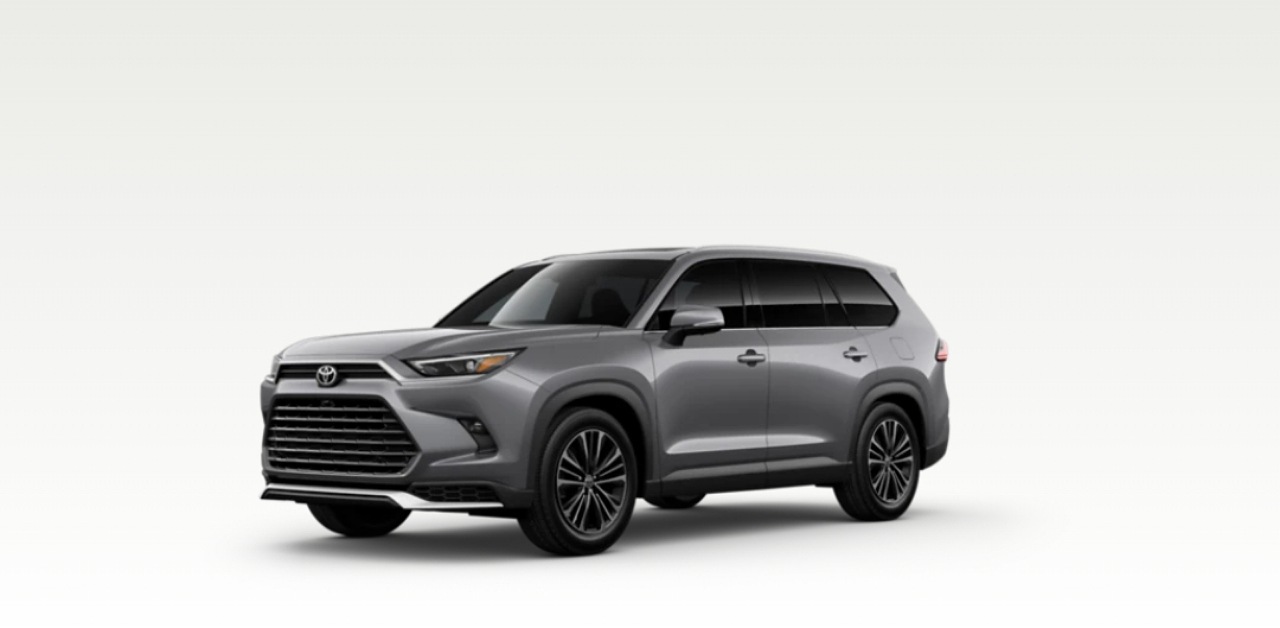
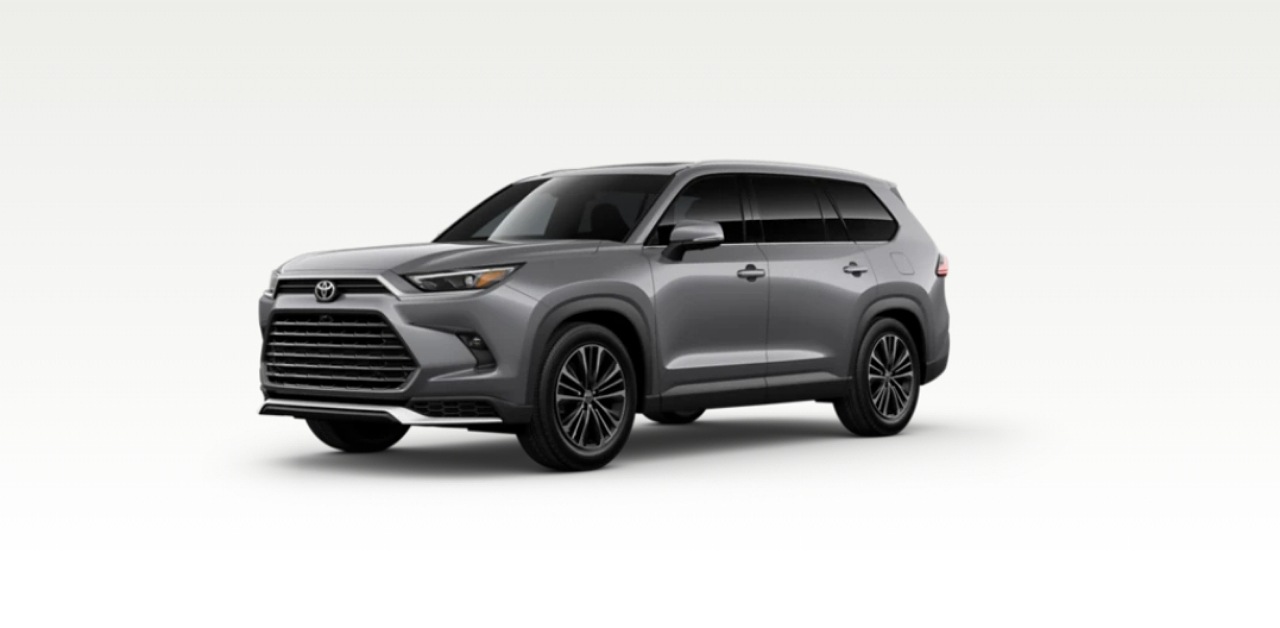
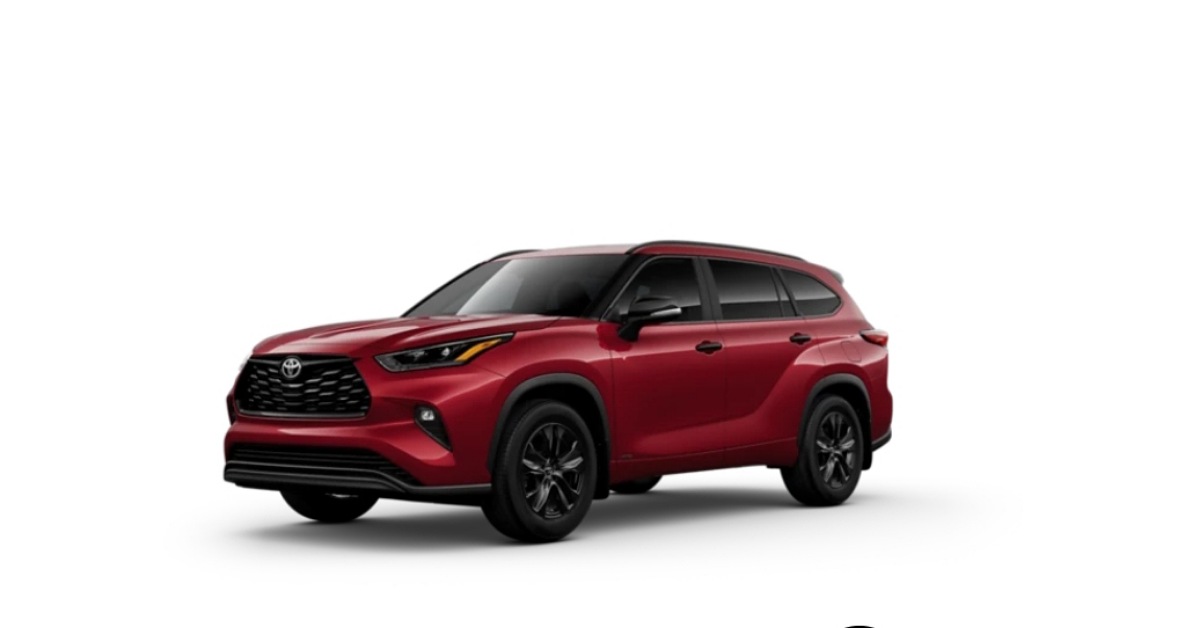
The 2025 Highlander Hybrid presents a bold, commanding presence on the road without appearing bloated or unnecessarily aggressive. Toyota’s design team achieved a delicate balance—the vehicle looks confident and substantial while maintaining a sleek, aerodynamic profile that actually contributes to its excellent fuel economy.
Front Styling & Headlights
The front fascia features a sculpted, modern design with a substantial grille that houses standard LED daytime running lamps. The LED headlights provide exceptional illumination for night driving, and the adaptive front-lighting system (available on higher trims) enhances visibility around curves. The hood’s contoured lines flow naturally into the windshield, creating a sense of forward motion even when the vehicle is parked.
Exterior Materials & Build Quality
Every panel on the 2025 Highlander Hybrid has been engineered to reduce wind noise and enhance aerodynamic efficiency. Side mirrors are specifically designed to clear turbulence around the vehicle, an engineering detail that many drivers never consciously notice but consistently appreciate. The roof rails are standard across all trims, adding both visual interest and genuine utility for carriers or roof boxes.
Wheel Options & Stance
The XLE and XLE Nightshade trims sit on 18-inch aluminum wheels, while the Limited, Limited 25th Edition, and Platinum models feature 20-inch wheels that command more attention. The larger wheels on higher trims provide a more planted, premium stance without sacrificing ride comfort. All wheel options are wrapped in quality tires engineered for both efficiency and durability.
Available Colors
The 2025 Highlander Hybrid comes in six distinct colors: Heavy Metal, Wind Chill Pearl, Midnight Black Metallic, Celestial Silver Metallic, Magnetic Gray Metallic, and Ruby Flare Pearl. Each color is complemented by the vehicle’s modern design language, allowing buyers to express their style preference while maintaining the Highlander’s sophisticated appearance.
Overall Presence
At 194.9 inches long and 76 inches wide, the Highlander Hybrid commands respect without being unwieldy. The slightly aggressive approach and departure angles (18.1 and 22.7 degrees respectively) hint at modest off-road capability, though this vehicle truly excels as an on-road family transporter. Modern LED taillights and a power tilt-slide moonroof (standard on most trims) complete an exterior that feels contemporary and well-executed.
Interior Review
Step inside the 2025 Highlander Hybrid, and you immediately recognize Toyota’s commitment to creating a genuinely usable three-row family space. This isn’t a vehicle where the third row is simply a token gesture—every seat receives serious consideration.
Dashboard & Controls
The dashboard design is symmetrical and intuitive, with soft-touch materials that convey quality without resorting to leather in base trims. Physical buttons for climate control and common functions ensure you’re not constantly hunting through digital menus while driving. The steering wheel integrates audio and cruise controls naturally, allowing drivers to maintain focus on the road while accessing essential functions.
First & Second Row Seating
Both front and second-row passengers enjoy exceptional comfort in the 2025 Highlander Hybrid. The 8-way power driver’s seat with adjustable lumbar support and multi-level heating and ventilation means drivers can dial in their perfect position for any season. Passengers in the second row have identical heated and ventilated seat options, a luxury typically reserved for premium brands. Second-row captain’s chairs make child safety seat installation and middle-row passenger access seamless, while a bench seat configuration can accommodate an eighth passenger.
Third Row Comfort
Here’s where the Highlander Hybrid truly differentiates itself. With 36.1 inches of headroom and reclining seatbacks with sliding headrests, the third row isn’t relegated to children or short trips. Adults can comfortably occupy these seats for extended journeys—a rarity in the three-row SUV segment. With 38.7 inches of legroom in the second row, middle passengers enjoy nearly as much space as those up front.
Climate Control & Comfort
Three-zone automatic climate control allows front passengers, second-row occupants, and third-row passengers to set their preferred temperatures independently. This eliminates the familiar back-and-forth arguments about whether the cabin is too hot or too cold. Second-row sunshades help manage intense afternoon sun, and the overhead conversation mirror lets drivers monitor rear passengers without twisting uncomfortably.
Storage & Convenience
Fourteen strategically placed cupholders throughout the cabin mean every passenger can keep a beverage within arm’s reach. Front door pockets, front seatback storage, and an overhead console provide intuitive places for wallets, phones, and personal items. The power-operated liftgate (on higher trims) makes loading groceries and cargo genuinely convenient, particularly during inclement weather.
Interior Materials & Trim Options
The Highlander Hybrid uses either durable SofTex synthetic leather or genuine leather-trimmed seating depending on trim level, both offering excellent durability and refined aesthetics. Hard plastics are kept to less visible areas, while frequently touched surfaces feature soft materials that feel substantial and upscale.
Cargo Organization
With all rows in place, you get 16 cubic feet of cargo space—practical for groceries and sports bags. Folding the third row expands this to 48.4 cubic feet, while full cargo mode provides a cavernous 84.3 cubic feet. The power-operating rear seat (Platinum and Limited trims) simplifies this transition, and the cargo area includes multiple tie-down points for securing items safely.
Performance & Driving Experience
The 2025 Highlander Hybrid doesn’t pretend to be a sports car, and that’s precisely why it excels at its intended purpose: comfortable, efficient family transportation.
The Hybrid Powertrain in Action
The 2.5-liter engine paired with three electric motors delivers 243 horsepower through a continuously variable transmission. In real-world driving, this translates to adequate acceleration that never feels sluggish, though enthusiasts won’t mistake this for a performance vehicle. Zero-to-60 times of around 7.3 seconds are respectable for an SUV of this size carrying up to eight people.
City Driving Characteristics
In urban environments, the Highlander Hybrid shines brilliantly. Electric motors provide instant torque at low speeds, making parking lot maneuvers and stop-and-go traffic remarkably smooth. The vehicle automatically manages engine start-stop and electric motor assistance, a process so seamless that drivers barely notice the transition. Visibility from the driver’s seat is excellent thanks to large windows and the available 360-degree camera system.
Highway Performance
On interstate highways, the Highlander Hybrid maintains its composed demeanor. The transmission manages gear changes (via its CVT system) with barely perceptible transitions, and the ride quality remains smooth even over rough pavement. Wind and road noise are well-controlled, allowing conversations at normal volumes even at 70+ mph. Highway acceleration for passing is adequate, though drivers shouldn’t expect thrilling performance.
Fuel Efficiency in Context
The EPA rates the Highlander Hybrid at 35 mpg combined (35 city/34 highway on most trims), though real-world highway testing by Car and Driver yielded approximately 28 mpg at 75 mph—still respectable for a seven-passenger SUV. This represents a 40-60% efficiency improvement over the non-hybrid Highlander, a massive advantage for drivers who cover significant annual mileage.
Handling & Suspension
The Highlander Hybrid uses four-wheel independent suspension with stabilizer bars front and rear, tuned for comfort rather than aggressive cornering. The vehicle remains stable through curves and doesn’t exhibit excessive body roll, though drivers seeking a sportier experience might find the steering somewhat numb. The ride quality prioritizes passenger comfort over driver engagement, a choice that aligns perfectly with the vehicle’s family-focused mission.
Brake Performance
Ventilated front disc brakes with solid rear discs provide confident stopping power. The regenerative braking system harvests energy during deceleration to recharge the hybrid battery, a process so smooth that drivers may not consciously register it occurring. Brake feel is consistent and predictable, inspiring confidence in emergency situations.
Drive Modes
Three distinct drive modes allow customization: Sport Mode sharpens acceleration response, Eco Mode maximizes fuel efficiency by managing climate systems and transmission behavior, and Normal Mode balances performance with economy. Most drivers will find themselves in Normal or Eco mode for daily driving.
Features & Technology
Modern Toyota vehicles pack impressive technology, and the 2025 Highlander Hybrid delivers remarkable capabilities without unnecessary complexity.
Infotainment System
The available 12.3-inch multimedia touchscreen provides clear, responsive interface design. Graphics are bright and crisp, and menu organization follows intuitive logic that doesn’t require consulting the owner’s manual. The standard 8-inch display is adequate, but the larger screen significantly enhances the experience, particularly for navigation tasks.
Apple CarPlay & Android Auto
Wireless connectivity to Apple CarPlay and Android Auto comes standard across all trims—a genuinely valuable feature that’s often missing or relegated to premium trims. This wireless implementation means no cables cluttering cup holders, and the integration is seamless. Navigation handoff allows drivers to start navigation on their phones and have it continue on the Highlander’s display automatically. The system also supports wireless charging for compatible devices on certain trims.
Audio Systems
The standard audio system is serviceable, but the available 11-speaker JBL premium audio system elevates the listening experience significantly. Whether you’re listening to podcasts, music, or audiobooks, sound quality is clear and well-balanced throughout the cabin, even with third-row passengers aboard.
Digital Cluster
The available digital instrument cluster replaces traditional analog gauges with configurable information displays. This allows drivers to customize what information appears most prominently, whether that’s navigation, efficiency metrics, or entertainment sources.
Safety Technology
Toyota Safety Sense 2.5+ is now standard across all Highlander Hybrid trims, including adaptive cruise control, lane-keeping assist, pre-collision system with pedestrian detection, and dynamic radar cruise control. These systems work together to reduce driver fatigue on long drives and help prevent accidents before they happen. The 360-degree camera system (available on higher trims) provides around-the-view monitoring, invaluable during parking or backing up to loading docks.
Convenience Features
Power windows, power locks, and power steering are obvious expectations in 2025, but the Highlander Hybrid adds thoughtful touches like the overhead conversation mirror, multiple USB ports throughout the cabin, and available 1500-watt power inverters for running electrical devices during family camping trips or extended outdoor activities. Remote start capability allows drivers to pre-condition the cabin before departing, particularly valuable during winter months.
Safety Review
Toyota’s commitment to safety extends far beyond simply meeting regulatory standards. The 2025 Highlander Hybrid reflects years of hybrid development and Toyota’s extensive crash test experience.
NHTSA Ratings
The 2025 Highlander Hybrid earned a 5-star overall safety rating from NHTSA. This represents Toyota’s rigorous engineering approach and the vehicle’s solid construction. Safety ratings can fluctuate year to year as testing protocols evolve, but the Highlander’s consistent performance over multiple generations speaks volumes about durability and crash protection.
IIHS Evaluation
The Insurance Institute for Highway Safety awarded the 2025 Highlander Hybrid a “Good” rating in its crashworthiness evaluations, including favorable scores in front crash prevention testing. IIHS’s tests are notoriously stringent, and the Highlander’s performance demonstrates genuine structural integrity and advanced safety system effectiveness.
Standard Safety Features
Every 2025 Highlander Hybrid includes a comprehensive airbag system with front, side, and third-row head airbags protecting all occupants. The vehicle also incorporates 4-wheel ABS with brake assist and electronic stability control, systems that work together during emergency braking to maintain directional control.
Driver Assistance Technology
Toyota Safety Sense 2.5+ includes adaptive cruise control that maintains a safe following distance from vehicles ahead, even in stop-and-go traffic. Lane-keeping assist gently corrects when the vehicle drifts toward lane boundaries, reducing fatigue during highway driving. The pre-collision system with pedestrian detection can apply emergency braking if an accident seems imminent, potentially preventing collisions entirely.
Structural Integrity
The Highlander’s unibody construction integrates high-strength steel in critical areas while using lighter materials elsewhere to maintain efficiency. This engineering approach maximizes crash protection while minimizing weight penalties that would reduce fuel economy. The solid construction remains evident when closing doors or observing panel gaps—everything feels substantial and well-executed.
Mileage & Fuel Efficiency
The fuel efficiency advantage of the 2025 Highlander Hybrid over traditional gas-powered SUVs is genuinely transformative for owners covering significant annual mileage.
EPA Ratings
Official EPA estimates rate the 2025 Highlander Hybrid at 35 mpg city, 34 mpg highway, and 35 mpg combined (on most trims). These figures represent exceptional efficiency for a seven-passenger vehicle capable of towing 3,500 pounds.
Real-World Performance
Real-world testing reveals slightly lower highway numbers than EPA estimates, with independent testing yielding approximately 28 mpg at steady 75 mph highway driving. However, city driving often exceeds EPA estimates, particularly for drivers utilizing eco mode and aggressive regenerative braking techniques. Overall, drivers consistently report 32-34 mpg combined during normal mixed driving, validated by multiple automotive publications.
Comparison to Non-Hybrid Highlander
The non-hybrid Highlander achieves 22 mpg city and 29 mpg highway, meaning the hybrid version delivers 40-60% better efficiency. This translates to substantial real-world savings. A driver covering 15,000 miles annually could save $700-$1,000 annually in fuel costs compared to the gas-only model, with greater savings for drivers covering higher annual mileage.
Long-Term Fuel Economy
The benefits compound over years of ownership. A driver keeping the Highlander Hybrid for seven years and 100,000+ miles will save thousands of dollars in fuel costs compared to purchasing the conventional gas model. These savings often offset the slight price premium of the hybrid system.
Price & Trim Details
Understanding the 2025 Highlander Hybrid’s trim structure and pricing helps buyers identify their ideal configuration.
XLE Trim ($46,320)
The entry-level XLE provides exceptional value, including 18-inch wheels, power tilt-slide moonroof, heated front seats, wireless Apple CarPlay and Android Auto, and Toyota Safety Sense 2.5+. For families prioritizing efficiency and essential features, the XLE delivers compelling value.
XLE Nightshade Edition ($47,320)
This variant adds dark styling elements including black wheels, black headlight bezels, and a Nightshade-specific interior ambiance. For buyers wanting visual distinction without paying significant premium, the Nightshade is an attractive option.
Limited Trim ($50,775)
The Limited adds 20-inch wheels, leather-trimmed seating, heated second-row seats, woodgrain steering wheel and shift knob, and blind-spot monitoring. The interior refinement and additional safety features represent meaningful upgrades over the XLE.
Limited 25th Edition ($52,980)
Introduced to commemorate the Highlander’s 25th anniversary, this special edition includes 20-inch wheels, Portobello-colored leather trim with unique stitching, 25th Edition badging, and distinctive exterior styling elements. Collectors and enthusiasts appreciate the limited availability and unique aesthetics.
Platinum Trim ($54,000+)
The top-tier Platinum includes all available technology and comfort features: panoramic glass roof with power tilt-slide and sunshade, adaptive front-lighting, adaptive suspension tuning, premium JBL audio system with 11 speakers, and exclusive interior ambiance lighting. Platinum buyers receive a comprehensively equipped vehicle lacking nothing in the Highlander lineup.
Value Proposition
Across all trims, the 2025 Highlander Hybrid provides exceptional value relative to competitors. The base XLE undercuts many competitor entry-level models while offering more standard features, while the Limited and Platinum trims provide legitimate luxury positioning at significantly lower price points than genuine luxury marques.
Pros & Cons
Advantages
The 2025 Highlander Hybrid excels in fuel efficiency, delivering remarkable economy for a seven-passenger vehicle. Families consistently report satisfaction with the spacious, genuinely usable third row—a rarity in this market segment. The vehicle’s ride quality prioritizes passenger comfort, making long family road trips genuinely enjoyable for all occupants. Toyota Safety Sense 2.5+ comes standard, providing excellent crash prevention technology without requiring expensive trim upgrades. Reliability is excellent, with Toyota’s proven hybrid system offering peace of mind and extended powertrain warranties providing financial security. The interior design emphasizes practicality with numerous storage solutions and convenient charging ports. All-wheel drive is standard on most trims, providing enhanced winter weather capability without requiring separate packages. Wireless Apple CarPlay and Android Auto on all trims ensure seamless smartphone integration. The vehicle’s refined, quiet cabin makes long commutes less fatiguing than traditional gas-powered competitors.
Disadvantages
The CVT transmission, while smooth and efficient, lacks the engaging responsiveness of conventional automatic transmissions that some drivers prefer. Acceleration feels modest compared to traditional V6-powered competitors, though adequate for family use. Highway fuel economy disappoints slightly relative to EPA estimates, particularly during sustained 75+ mph driving. The third row, while dramatically improved over previous generations, remains snuggest for full-grown adults on long journeys. The vehicle lacks dynamic driving characteristics that enthusiasts might crave, prioritizing comfort over engagement. Cabin storage, while abundant, includes fewer cubbies than some competitors, though USB charging ports throughout help offset this. Some drivers find the touchscreen interface lacking the responsiveness of newer systems from Tesla or some luxury brands. Maintenance costs aren’t dramatically different from gas models, contradicting some hybrid mythology. Towing capacity, while adequate at 3,500 pounds, trails competitors with larger engines. Passenger mirrors don’t automatically adjust fully when vehicles are locked, requiring manual position correction before backing up.
Competitors Comparison
The 2025 Highlander Hybrid competes in a crowded segment. Here’s how it stacks against key alternatives:
Versus Honda Pilot
The Honda Pilot emphasizes sporty handling through a traditional 3.5-liter V6 generating 285 horsepower. While the Pilot offers engaging driving dynamics and a slightly more premium interior aesthetic, it sacrifices efficiency with 21 city/28 highway MPG ratings. The Highlander Hybrid’s 35 city/34 highway efficiency advantage is substantial for owners covering significant mileage. Both offer excellent safety ratings and reliable powertrains, making the choice primarily about performance preference versus efficiency priority.
Versus Mazda CX-90 MHEV
The Mazda CX-90 MHEV offers an inline-six mild hybrid engine producing 280 horsepower, positioning itself as a sportier alternative. Mazda’s commitment to driving engagement means responsive steering and confident cornering, appealing to enthusiasts. However, the CX-90 carries a lower starting price ($39,300) than the Highlander Hybrid, while offering less spacious third-row seating. The Highlander Hybrid edges ahead in efficiency and third-row practicality, while the CX-90 wins on driving dynamics.
Versus Kia Telluride
The Kia Telluride relies on a traditional 3.8-liter V6 generating 291 horsepower, eschewing hybrid technology. While the Telluride offers robust performance and excellent warranty coverage, it trails the Highlander Hybrid significantly on fuel economy (21 city/28 highway). The Telluride’s slightly more upscale interior appointments appeal to some buyers, while the Highlander’s efficiency advantage resonates with practical-minded owners prioritizing fuel cost savings.
Versus Hyundai Palisade
The Hyundai Palisade uses a traditional 3.8-liter V6 generating 291 horsepower. Similar to the Telluride, the Palisade forgoes hybrid efficiency in favor of traditional performance and pricing. The Palisade’s strengths lie in value, warranty coverage, and distinctive exterior styling, while the Highlander Hybrid’s hybrid technology delivers superior long-term operational economy and resale value retention.
Verdict
The Highlander Hybrid stands alone in delivering both spacious three-row seating and genuine hybrid efficiency. Competitors either sacrifice efficiency for performance or offer sportier handling at the expense of third-row space. For families prioritizing fuel economy, reliability, and practical space, the 2025 Highlander Hybrid represents the segment’s best all-around value proposition.
Final Verdict
The 2025 Toyota Highlander Hybrid represents the mature evolution of the modern family SUV—a vehicle that delivers what families actually need without unnecessary compromise. This isn’t an exciting car, but it is an exceptionally competent one, serving families through thousands of commutes, road trips, and daily adventures with unflashy reliability.
Best For
The Highlander Hybrid is ideal for families covering significant annual mileage who value fuel efficiency and genuine third-row space. It suits environmentally conscious buyers seeking practical hybrid technology without the complexity of plug-in systems. Multi-child households particularly appreciate the spacious, comfortable third row that can accommodate actual humans, not just theoretical passengers. Buyers prioritizing long-term value and low total cost of ownership find the Highlander Hybrid’s blend of efficiency, reliability, and practicality compelling. Professional drivers managing extensive commutes, real estate agents showing properties across sprawling territories, and shuttle services appreciate the efficiency gains that directly impact profitability.
Should You Buy It?
Yes, if you value fuel efficiency, genuine three-row space, proven reliability, and reasonable pricing. The 2025 Highlander Hybrid delivers exceptional real-world value for families making practical vehicle choices. It won’t thrill you with sportiness, but it will genuinely impress you with its competence, comfort, and efficiency year after year.
Skip the Highlander Hybrid if you prioritize dynamic driving characteristics, desire the lowest possible entry price regardless of operating costs, or need maximum towing capacity. The Honda Pilot offers superior handling, the Mazda CX-90 delivers sportier engagement, and the Kia Telluride or Hyundai Palisade provide lower base pricing for budget-conscious shoppers.
For everyone else—the practical, efficiency-conscious families and individuals who see vehicles as transportation tools rather than status symbols—the 2025 Toyota Highlander Hybrid remains an outstanding choice that delivers genuine value, reliability, and satisfaction through thousands of miles of real-world use.
Frequently Asked Questions
Is the 2025 Highlander Hybrid good for families?
Absolutely. The Highlander Hybrid excels at family duties with spacious, comfortable seating for seven to eight passengers, generous cargo space, and excellent safety features. The genuinely usable third row accommodates children and adults comfortably for extended journeys.
What is the fuel mileage of the 2025 Highlander Hybrid?
EPA estimates rate the 2025 Highlander Hybrid at 35 mpg combined (35 city/34 highway on most trims). Real-world testing confirms 32-34 mpg combined under typical mixed driving, representing 40-60% better efficiency than the non-hybrid model.
What is the maintenance cost for the 2025 Highlander Hybrid?
Maintenance costs are comparable to non-hybrid Highlanders, averaging $4,000-$6,000 for five-year/60,000-mile ownership. Toyota’s hybrid system warranty covers the hybrid battery for eight years or 100,000 miles, providing financial protection against expensive repairs during the coverage period.
How spacious is the third row?
The third row features 36.1 inches of headroom and reclining seatbacks with adjustable headrests, offering genuine comfort for adults rather than relegating it to children-only status. This represents a significant advantage over most three-row SUV competitors.
Is the 2025 Highlander Hybrid safe?
Yes. The Highlander Hybrid earned a 5-star NHTSA overall rating and “Good” IIHS crashworthiness scores. Toyota Safety Sense 2.5+ is standard on all trims, providing collision avoidance technology and driver assistance features.
What is the starting price?
The 2025 Toyota Highlander Hybrid XLE starts at $46,320, with pricing extending to approximately $54,000+ for the fully-equipped Platinum trim. This represents competitive pricing relative to comparable three-row hybrids from other manufacturers.
How does the Highlander Hybrid compare to the Honda Pilot?
The Highlander Hybrid prioritizes efficiency (35 mpg combined) while the Pilot emphasizes performance (21 mpg combined). The Highlander offers better real-world economy for highway driving, while the Pilot delivers more engaging driving dynamics. Both offer excellent reliability and safety features.
Can the Highlander Hybrid tow?
Yes. The 2025 Highlander Hybrid can tow up to 3,500 pounds, adequate for utility trailers, small campers, or personal watercraft, though competitors with V6 engines offer higher towing capacities.
What warranty coverage comes with the Highlander Hybrid?
Toyota includes a 3-year/36,000-mile bumper-to-bumper warranty, 5-year/60,000-mile powertrain warranty, and 8-year/100,000-mile hybrid system warranty covering the battery, inverter, and related components. Extended warranties are available from dealers and independent providers.
Is the 2025 Highlander Hybrid worth buying?
For practical families prioritizing fuel efficiency, space, reliability, and value, yes. The Highlander Hybrid delivers genuine worth through real-world efficiency savings, proven reliability, and exceptional third-row usability. It represents thoughtful vehicle design executed at competitive pricing.