Read the complete 2026 Toyota Corolla review — explore its performance, design, features, and real user experience. Find out if it’s the right car for you.
Introduction
The 2026 Toyota Corolla has officially arrived, and it’s bringing some impressive upgrades to the table. If you’ve been watching the compact sedan market, you know the Corolla has always been a benchmark for reliability and practicality. But this generation? It’s sharper, smarter, and more refined than ever before. Toyota completely redesigned the Corolla with fresh styling that catches your eye, an upgraded interior that feels more premium, and technology that actually makes sense in your daily commute. Whether you’re a first-time buyer looking for a dependable daily driver or someone upgrading from an older vehicle, the 2026 Corolla delivers serious value. This complete 2026 Corolla review breaks down everything you need to know—from its peppy engine to its impressive fuel economy—so you can make an informed decision about whether this sedan deserves a spot in your garage.
Key Specifications
| Specification | Details |
|---|---|
| Engine | 2.0L Dynamic Force 4-cylinder DOHC 16-valve |
| Power | 169 horsepower @ 6,600 rpm |
| Torque | 151 lb-ft @ 4,400 rpm |
| Transmission | Continuously Variable Transmission (CVT) |
| Drivetrain | Front-wheel drive |
| Fuel Type | 87-octane unleaded gasoline |
| Fuel Tank Capacity | 13.2 gallons |
| City Mileage | 32 mpg (LE) / 31 mpg (SE & XSE) |
| Highway Mileage | 41 mpg (LE) / 40 mpg (SE & XSE) |
| Combined Mileage | 35 mpg (LE) / 34 mpg (SE & XSE) |
| Dimensions (Length x Width x Height) | Approx. 182.7″ x 70.1″ x 56.5″ |
| Wheelbase | 106.3 inches |
| Curb Weight | 2,955 lbs (approx.) |
| Cargo Space | 13.1 cubic feet |
| Seating Capacity | 5 passengers |
| Safety Rating | NHTSA certified; Toyota Safety Sense 3.0 standard |
| Price Range (Sedan) | LE: $23,920 / SE: $26,360 / XSE: $29,635 |
| Hybrid Options | LE: $25,770 / SE: $28,210 / XLE: $30,135 |
Exterior Design Review: Turning Heads on the Road
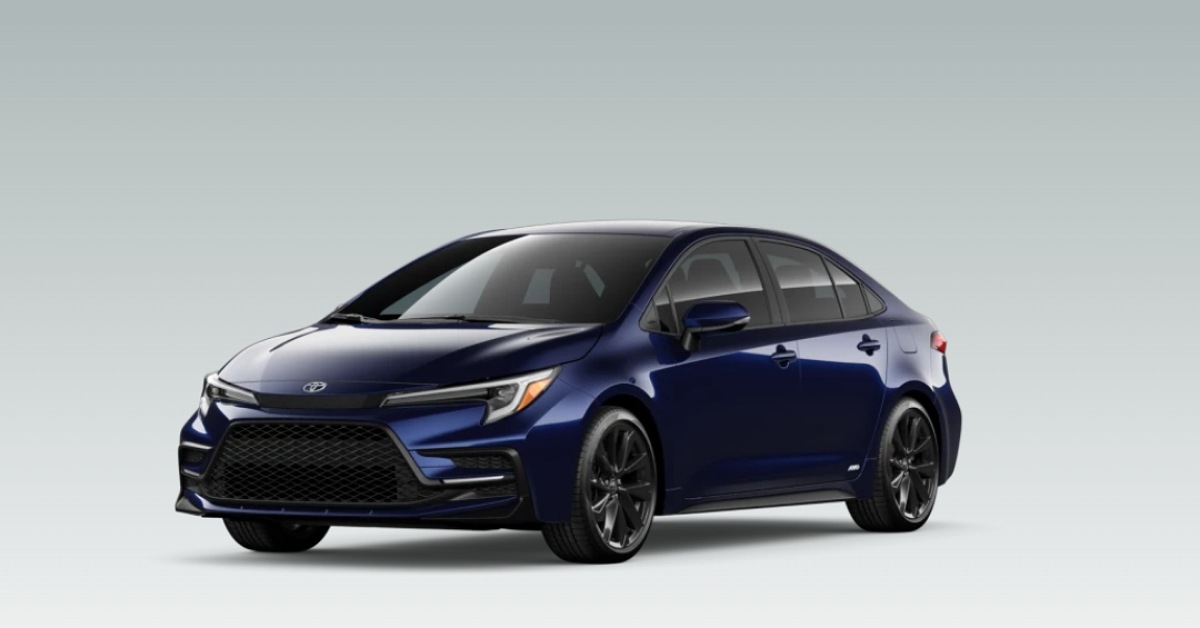
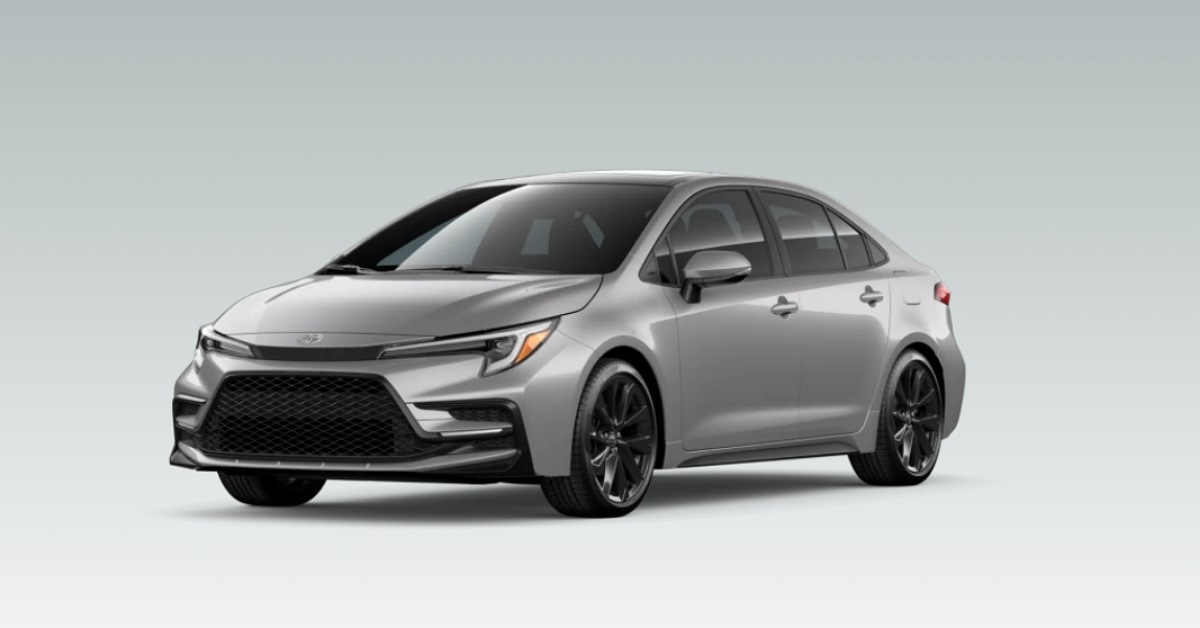
Let’s talk about what you’ll see first—the exterior. The 2026 Corolla has undergone a serious styling refresh that gives it a much more dynamic presence on the road. The front end now features a more aggressive stance with sharper lines that flow down the hood. The redesigned LED daytime running lights (DRLs) are sleek and modern, giving the car a more upscale appearance that punches above its price tag. The Corolla’s grille has also been refined; you can choose between a standard design or a sportier mesh variant on certain trims, allowing for personalization that suits your style.
The headlights are particularly impressive. They’re now larger and more expressive, with improved visibility that makes nighttime driving safer and more confident. The overall proportions feel more sophisticated compared to the previous generation, with better-defined body lines that run along the sides. This 2026 Corolla exterior design carries a sense of maturity without sacrificing the youthful energy Toyota wanted to inject into this model.
The wheels on the Corolla vary by trim level. Base LE models come with 16-inch steel wheels wrapped in practical all-season tires, while higher trims offer up to 18-inch alloy wheels that dramatically improve the car’s road presence. The alloy wheel design features modern styling that complements the overall aesthetic. Roof rails on select trims add a touch of practicality and visual interest. Color-keyed power outside mirrors with integrated turn signals and blind spot monitor indicators are standard, adding to that cohesive design language Toyota has perfected.
The rear of the 2026 Corolla is equally thoughtful. LED taillights with a modern design give that premium touch, while the rear spoiler on SE and XSE trims adds subtle sportiness. Build quality has been a Toyota hallmark for decades, and this Corolla continues that tradition. Panel gaps are tight, and the overall construction feels solid and refined. Six exterior colors are available, ranging from sophisticated Midnight Black Metallic to fresh Pearl White and dynamic Reservoir Blue, giving you options whether you prefer understated elegance or eye-catching presence.
Interior Review: Comfort Meets Practicality
Step inside the 2026 Corolla, and you’ll immediately notice that Toyota has elevated the interior experience without going overboard. The dashboard features a clean, uncluttered layout that prioritizes simplicity and functionality. This isn’t a car trying to look like something it’s not; instead, it’s honest about what it is—a practical, well-designed daily driver that respects your intelligence and your time.
The Corolla interior features intuitive controls with most functions easily accessible without requiring a degree in touchscreen navigation. Climate controls are straightforward—good old-fashioned buttons and dials that work reliably year after year. The infotainment system sits prominently in the center of the dashboard, and it’s clear Toyota listened to what drivers actually want rather than overcomplicating things.
Seats deserve special attention here. The LE and SE trims feature supportive fabric seating for all five passengers, with an 8-way power-adjustable driver’s seat that lets you find your ideal position. The front passenger seat offers 4-way adjustment. On the XSE trim, you get SofTex-trimmed heated front sport seats with sport fabric inserts that add a layer of sophistication. These seats are specifically engineered for support—the driver’s seat is designed to hold you in place during spirited driving, while the passenger seat prioritizes comfort. The 60/40 split fold-down rear seats add flexibility for cargo, and they fold completely flat to reveal an impressive amount of space.
Rear passenger legroom is 33.5 inches, which is respectable for the class. Three passengers can sit back there comfortably on shorter trips, though taller travelers may find the headroom somewhat tight at 37 inches. The Corolla’s interior width means front passengers have plenty of shoulder room—perfect for long highway drives where comfort matters.
Storage solutions throughout the cabin are practical. You’ll find cup holders in the rear seat’s center armrest, door pockets with decent depth, and a center console storage compartment with a bin that can hide sunglasses, charging cables, or whatever else you want out of sight. All trims include USB-C ports—two in front and two in the rear, so your passengers can keep devices charged on road trips.
The Corolla’s interior materials reflect its positioning in the market. Hard plastics dominate, particularly on the LE trim, but they’re quality materials that won’t rattle or creak after years of ownership. SE and XSE trims introduce more soft-touch materials and metallic interior trim pieces that elevate the ambiance. The leather-trimmed steering wheel with paddle shifters (on certain trims) is a nice touch that adds sportiness to the driving experience.
One of the standout interior features is the new digital instrument cluster available on XSE and hybrid XLE trims. This 12.3-inch display replaces the traditional gauge setup, providing customizable information at a glance. You can view navigation data, trip computer information, or vehicle status without taking your eyes off the road.
Performance & Driving Experience: Smooth and Predictable
The 2026 Corolla isn’t trying to be a sports car. Instead, it’s engineered to be exactly what most daily drivers need—predictable, reliable, and efficient. The 2.0-liter Dynamic Force four-cylinder engine produces 169 horsepower and 151 lb-ft of torque, which translates to reasonable acceleration for city driving and highway merging.
In our 2026 Corolla real-world driving, acceleration feels adequate but unhurried. The Corolla will get to highway speeds without drama, but if you’re expecting thrilling performance, you’ll need to look elsewhere. What’s impressive is how refined this engine feels. Under normal driving conditions, it’s smooth and nearly silent, with a pleasant note under acceleration that doesn’t drone like traditional CVTs sometimes do. The Corolla’s CVT transmission has been optimized to include simulated gear changes that provide tactile feedback and reduce the typical rubber-band feeling many drivers dislike in continuously variable setups.
City driving is where the 2026 Corolla truly excels. The steering is direct and responsive, making navigating tight parking spaces and congested city streets intuitive. The turning radius of 35.6 feet is decent for this class, meaning you won’t feel like you’re piloting a tank in urban environments. The ride quality is genuinely impressive—the suspension soaks up rough pavement and potholes without feeling floaty or disconnected. You maintain control and confidence even on less-than-perfect road surfaces.
Highway performance is capable and refined. The adaptive cruise control adapts smoothly to traffic flow and uses radar to maintain your chosen distance from the car ahead. Lane-keeping assist works reliably, though it can be hesitant on sharper curves. The steering remains feel direct at highway speeds, never becoming light or vague. Braking is confident with good bite, and ABS ensures predictable stopping distances in emergency situations. Real-world highway tests show the Corolla handles bumps and road imperfections better than many competitors, contributing to that expensive car feeling despite the 2026 Corolla price being very reasonable.
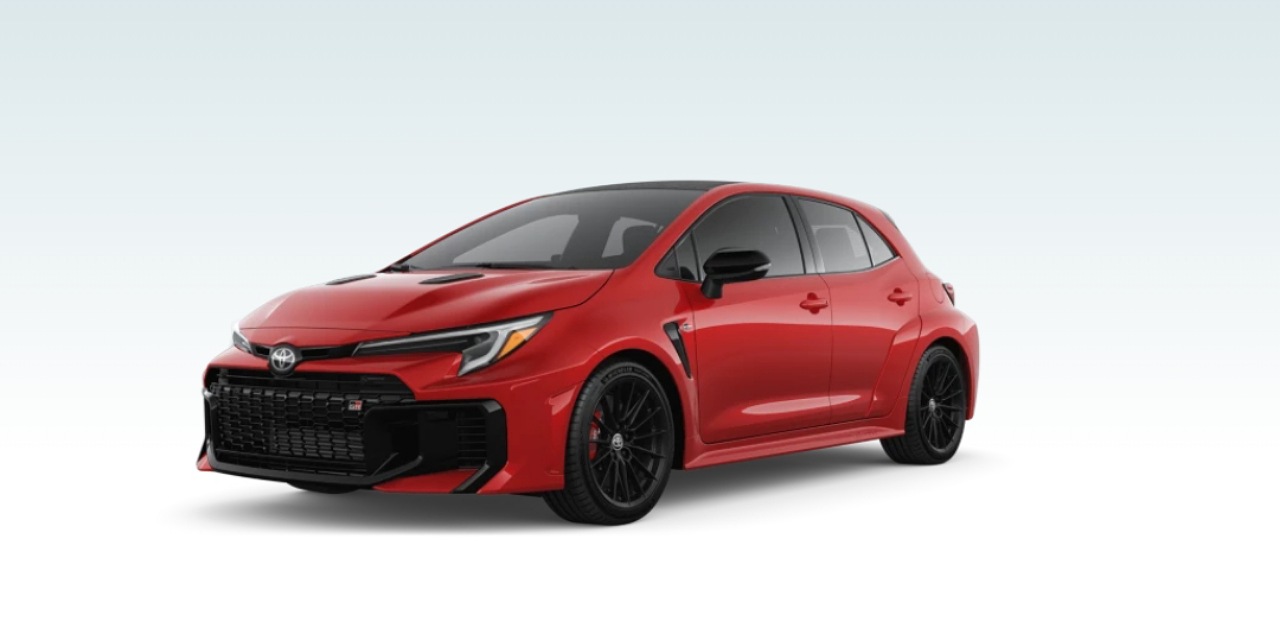
One thing to note: road noise at highway speeds can be intrusive, particularly with the optional 18-inch alloy wheels. If highway comfort is your priority, the LE or SE trim with standard 16-inch wheels offers a more compliant ride and quieter cabin. The manual-transmission GR Corolla variant, if you’re interested, offers 300 horsepower and all-wheel drive for serious enthusiasts, though that’s a different animal entirely.
Fuel economy in real-world driving matches EPA estimates remarkably well, particularly in mixed city and highway driving. The LE trim’s 35 mpg combined rating is achievable when driving normally, making the 2026 Corolla an economical choice for daily commutes and weekend drives alike.
Features & Technology: Smart and Intuitive
The 2026 Corolla’s technology package strikes an excellent balance between helpful and not overwhelming. The standard infotainment system features an 8-inch or 10.5-inch touchscreen depending on trim, with intuitive menu layouts that don’t require you to scroll through endless submenus to adjust basic functions.
Apple CarPlay and Android Auto compatibility comes standard across the lineup, making smartphone integration seamless. You can mirror your phone’s navigation, messaging, and music apps on the Corolla’s touchscreen. The interface responds quickly to inputs, and the display brightness automatically adjusts for day and night driving. Backup camera with predictive guidelines is standard, helping you park with confidence even in tight spots.
The Corolla’s infotainment system supports both wired and wireless Apple CarPlay on higher trims, so you’re not tethered to your phone with a cable. Satellite radio is available, and the standard audio system delivers adequate sound quality. On XSE trims, you get the JBL Premium Audio System with 9 speakers, an 800-watt amplifier, and a subwoofer that transforms the listening experience for music and podcasts.
Safety technology is where the Corolla really impresses. Toyota Safety Sense 3.0 comes standard on all 2026 models and includes features that used to be premium options. Forward-collision warning with automated emergency braking actively monitors the road ahead and can apply brakes if a collision is imminent. Lane-departure warning alerts you if you’re drifting out of your lane, and lane-keeping assist gently corrects your steering to keep you centered. Adaptive cruise control with dynamic radar regulates speed based on traffic flow, making highway driving less tiring.
Additional available features include blind-spot monitors with rear cross-traffic alerts (now standard on all trims for 2026), auto-dimming rearview mirror, rain-sensing wipers, and a power moonroof on higher trims. The smart key system with push-button start is available, giving you that modern convenience of leaving your physical key in your pocket. Heated seats are available on certain trims, while the XSE includes them as standard.
Climate control varies by trim. Base models get manual AC, while higher trims offer automatic temperature control that learns your preferences and maintains cabin temperature without constant adjustments. All Corollas feature efficient climate control that doesn’t dramatically impact fuel economy the way older systems sometimes did.
Safety Review: Peace of Mind Standard
Safety isn’t an option on the 2026 Corolla—it’s standard, which is exactly how it should be. The Insurance Institute for Highway Safety (IIHS) has tested Corolla models and given them high marks across multiple crash test scenarios. The structure and safety cage earn “Good” ratings, indicating robust occupant protection.
The 2026 Corolla earned NHTSA certification, and Toyota has engineered the body to absorb impact energy while maintaining occupant compartment integrity. The five-star rating covers frontal crash, side crash, and rollover protection. In real-world crashes, the Corolla has proven its worth with strong safety records.
Active safety features prevent accidents before they happen. The standard Toyota Safety Sense 3.0 suite includes pre-collision warning, forward-collision warning, and autonomous emergency braking that can mitigate or prevent frontal collisions at speeds up to 31 mph. This technology has demonstrated significant effectiveness in reducing accident severity and preventing fender-benders in parking lots and city traffic.
Passive safety includes dual front airbags, front and rear side-curtain airbags, and seatbelts with pretensioners and load limiters that work together to protect occupants. Stability control with brake assist helps maintain control in slippery conditions, while anti-lock brakes prevent wheel lockup during hard braking. Hill-start assist is handy for those steeper driveways or hilly terrain.
The available 360-degree camera system on higher trims provides a bird’s-eye view of your vehicle, making parking and maneuvering in tight spaces straightforward. Blind-spot monitoring with rear cross-traffic alert has become standard across all trims for 2026, improving situational awareness when changing lanes or backing out of parking spaces.
Mileage & Fuel Efficiency: Go Longer Between Fills
The 2026 Corolla’s fuel economy is genuinely impressive for a new compact sedan. Let’s break down the real-world numbers that matter to your wallet:
Standard Gasoline Models:
- LE Trim: 32 mpg city / 41 mpg highway / 35 mpg combined
- SE & XSE Trims: 31 mpg city / 40 mpg highway / 34 mpg combined
These EPA estimates are conservative, meaning many drivers achieve or exceed them during regular driving. The LE trim’s 35 mpg combined rating translates to exceptional real-world efficiency on your daily commute.
Hybrid Models:
The hybrid versions of the 2026 Corolla push efficiency even further. With the 2.0-liter four-cylinder paired with electric motors, the hybrid models deliver better city mileage (where the electric motors shine) while maintaining strong highway efficiency. The hybrid system automatically switches between gas and electric power, optimizing efficiency in real-time.
Driving Range:
With its 13.2-gallon fuel tank, the base LE model achieves approximately 462 miles of combined driving range (13.2 gallons × 35 mpg combined). That means fewer stops at the pump and more time on the road. Highway drivers can go 540+ miles on a single tank, perfect for longer road trips without fuel anxiety.
Real-World Testing:
In real-world highway testing at sustained speeds of 70+ mph, the 2026 Corolla achieves approximately 36-38 mpg, which is excellent for sustained high-speed driving. City driving with stop-and-go traffic typically yields 28-32 mpg depending on your driving habits and traffic conditions. 2026 Corolla fuel efficiency remains one of its strongest selling points.
Price & Variant Details: Something for Every Budget
The 2026 Toyota Corolla pricing starts at $23,920 for the base LE sedan, which includes the $1,195 destination charge. Here’s the complete breakdown:
Sedan Trims:
- LE ($23,920): The practical choice. You get the core safety equipment, infotainment system, and five-seat comfort without unnecessary premium features. This is the sweet spot for first-time buyers and commuters who want reliability without extras.
- SE ($26,360): Adds sport-themed styling, firmer suspension tuning, and upgraded appearance features. The SE appeals to drivers who want a little more visual impact without the luxury trim pricing.
- XSE ($29,635): The premium gasoline option. Heated seats, moonroof, upgraded audio, and more upscale interior materials. The XSE is for those who spend significant time in their Corolla daily and want maximum comfort.
Hybrid Models:
- Hybrid LE ($25,770): The best value if fuel economy is your priority. Exceptional mpg ratings combined with Toyota’s legendary hybrid reliability.
- Hybrid SE ($28,210): Hybrid efficiency with sport styling and tuning.
- Hybrid XLE ($30,135): Premium hybrid with all the comfort and technology features. All-wheel drive is available on hybrid LE and SE trims for an additional $1,400.
Average Price Paid:
Real-world data shows buyers typically pay around $22,751 for the base LE model, suggesting negotiation room at dealerships. Incentives and promotions can vary by region and dealer.
The 2026 Corolla pricing offers excellent value compared to competitors. The Honda Civic starts around $25,790, while the Hyundai Elantra begins at roughly the same price. For the 2026 Corolla price, you’re getting Toyota’s legendary reliability reputation and superior fuel economy compared to these rivals.
Pros & Cons: The Honest Assessment
Pros:
- Legendary Reliability: Toyota’s reputation is built on vehicles lasting 200,000+ miles with proper maintenance. The Corolla continues this tradition with robust engineering and quality components that don’t fail prematurely.
- Outstanding Fuel Economy: The 35 mpg combined rating on the base LE trim means fewer fill-ups and lower fuel costs over the vehicle’s lifetime. Hybrid versions push efficiency even further for committed eco-conscious drivers.
- Affordable Pricing: Starting at $23,920, the Corolla undercuts or matches most competitors while offering better reliability ratings and standard safety features.
- Smart Technology: Toyota Safety Sense 3.0 standard on all models means you get advanced safety features that prevent accidents, not just protect you in them.
- Practical Design: The interior prioritizes functionality and ease of use over flashy tech that becomes frustrating years down the road. Everything makes sense and works intuitively.
- Comfortable Seating: While not luxurious, the seats are supportive for daily driving, and the cabin layout prevents the fatigue associated with some compact sedans on longer drives.
- Strong Warranty: 3-year/36,000-mile basic coverage plus 5-year/60,000-mile powertrain protection gives peace of mind. Two years of complimentary maintenance included.
- Excellent Resale Value: Toyotas hold their value remarkably well, meaning your investment depreciates more slowly than many competitors.
Cons:
- Slow Acceleration: The 169 horsepower isn’t going to excite performance enthusiasts. Merging on highways requires a bit of planning, and passing other vehicles demands patience.
- Road Noise on Highway: The cabin can get surprisingly loud at sustained highway speeds, particularly with the 18-inch alloy wheels. Comfortable at 65 mph, noticeable at 75+ mph.
- Limited Rear Headroom: Taller back-seat passengers may find headroom tight at 37 inches. Not terrible, but less generous than the Honda Civic or Hyundai Elantra.
- CVT Transmission Feel: While optimized better than earlier versions, the continuously variable transmission still lacks the defined shifting feel some drivers prefer. It’s more efficient, but doesn’t feel as engaging.
- Base Interior Materials: The LE and SE trims use extensive hard plastics. While they’re quality plastics that won’t rattle, they don’t feel premium. You need to step up to XSE for softer materials.
- Modest Cargo Space: At 13.1 cubic feet, the trunk is practical but not generous. Compared to the Honda Civic’s 14.8 cubic feet, it’s noticeably smaller.
- No All-Wheel Drive Option for Gas Models: If you live in snowy climates or want AWD capability, you’re limited to hybrid models or the GR Corolla variant, both of which cost significantly more.
Competitors Comparison: How the 2026 Corolla Stacks Up
The compact sedan market is competitive, but the 2026 Corolla holds its own—and often wins—against the major rivals. Here’s how it compares:
| Category | 2026 Corolla LE | 2026 Honda Civic LE | 2025 Hyundai Elantra SE | 2025 Nissan Sentra SV |
|---|---|---|---|---|
| Starting Price | $23,920 | $25,790 | ~$25,100 | ~$22,785 |
| Horsepower | 169 hp | 180 hp | 147 hp | 149 hp |
| Torque | 151 lb-ft | 162 lb-ft | 132 lb-ft | 146 lb-ft |
| City Mileage | 32 mpg | 30 mpg | 29 mpg | 30 mpg |
| Highway Mileage | 41 mpg | 42 mpg | 38 mpg | 39 mpg |
| Combined Mileage | 35 mpg | 34 mpg | 32 mpg | 34 mpg |
| Cargo Space | 13.1 cu ft | 14.8 cu ft | 13.1 cu ft | 14.3 cu ft |
| Warranty (Basic) | 3 yr / 36k mi | 3 yr / 36k mi | 5 yr / 60k mi | 3 yr / 36k mi |
| Warranty (Powertrain) | 5 yr / 60k mi | 5 yr / 60k mi | 10 yr / 100k mi | 5 yr / 60k mi |
| Standard Safety Tech | Yes – TSS 3.0 | Yes – Honda Sensing | Yes – SmartSense | Yes – ProPilot |
| Infotainment | 8″ / 10.5″ touchscreen | 7″ / 8″ touchscreen | 8″ / 10.25″ touchscreen | 8″ touchscreen |
| Apple CarPlay/Android Auto | Standard | Standard | Standard | Standard |
Honda Civic Comparison:
The Honda Civic offers slightly more power (180 hp vs 169 hp) and a bit more rear legroom, making it appealing to those who prioritize sportiness. However, the Corolla beats it on fuel economy (35 vs 34 mpg combined) and price. The Corolla’s standard safety tech is also more comprehensive.
Hyundai Elantra Comparison:
The Hyundai Elantra looks sharp and undercuts the Corolla on price, but the Corolla delivers better fuel economy and superior reliability ratings. Hyundai’s longer warranty (10 years on powertrain) is attractive, but real-world ownership costs favor the Corolla due to better efficiency and lower maintenance needs.
Nissan Sentra Comparison:
The Sentra is the budget leader, starting just below the Corolla. However, the Corolla’s fuel economy advantage is significant—getting 35 mpg combined versus the Sentra’s 34 mpg may seem close, but over 200,000 miles, that adds up to thousands in fuel savings. The Corolla’s reliability reputation is also stronger.
Verdict: The 2026 Corolla wins on reliability, fuel economy, and value-for-money. If you want maximum cargo space, the Civic edges ahead. If warranty length is your priority, the Elantra or Sentra offer advantages. But for the complete package of reliability, efficiency, pricing, and safety features, the 2026 Corolla is the smart choice.
Final Verdict: Is the 2026 Corolla Worth Buying?
The answer is yes, especially if you fit into these categories: first-time car buyers who want reliability without complexity; daily commuters tired of high fuel costs; families prioritizing safety and practicality over luxury; and anyone who simply wants a car that works dependably for 200,000+ miles without constantly surprising them with repairs.
The 2026 Corolla isn’t trying to be something it’s not. It’s not a luxury sedan, not a sports car, and not an experiment in cutting-edge technology. It’s a pragmatic, well-engineered daily driver that does its job exceptionally well. The reliability Toyota is famous for shines through in every design decision. The fuel economy means real money saved over years of ownership. The pricing undercuts competitors while offering better value.
Should you buy the 2026 Corolla or skip it? The only reason to skip it would be if you specifically need features the Corolla doesn’t prioritize—like maximum cargo space (go with the Civic), extreme performance (consider the GR Corolla), or a longer warranty (check out the Elantra). For everyone else, the 2026 Corolla deserves serious consideration.
The best 2026 Corolla value-for-money variant is probably the Hybrid LE at $25,770. You get outstanding fuel economy, all the standard safety tech, and excellent reliability in a package that costs just $1,850 more than the gas LE. Over even a five-year ownership period, that price difference pays for itself in fuel savings.
Frequently Asked Questions About the 2026 Corolla
Is the 2026 Corolla good for families?
Absolutely. The five-seat configuration accommodates most families, and the standard safety tech provides peace of mind with children in the vehicle. The only limitation is cargo space for larger road trips, though the 60/40 split rear seats fold completely flat for extra capacity when needed.
What’s the real-world mileage of the 2026 Corolla?
EPA estimates are 32-35 mpg combined depending on trim, and real-world testing confirms these are conservative. Expect 34-36 mpg combined during normal driving. Hybrid models push this significantly higher at 50+ mpg in some scenarios.
How much does 2026 Corolla maintenance cost?
Toyota service is competitively priced. Oil changes typically run $65-$100 depending on the dealership and whether you choose conventional or synthetic oil. Major maintenance at 100,000 miles is minimal. The included two years of complimentary maintenance saves about $500-$700 compared to competitors.
Is the 2026 Corolla reliable long-term?
Toyota’s legendary reliability means the 2026 Corolla easily reaches 200,000+ miles with regular maintenance. The five-year/60,000-mile powertrain warranty provides confidence, and Toyota owners consistently report trouble-free ownership experiences spanning decades.
What are the main upgrades for 2026?
Standard blind-spot and rear cross-traffic monitoring, digital instrument cluster standard on higher trims, refreshed exterior styling with updated LED lighting, improved infotainment system responsiveness, and enhanced Toyota Safety Sense 3.0 features.
Can I get all-wheel drive on the 2026 Corolla?
Not on the standard gasoline models. All-wheel drive is available exclusively on the hybrid LE and SE trims for an additional $1,400. The GR Corolla performance variant comes with standard all-wheel drive.
What’s the difference between the 2026 Corolla and hybrid models?
Hybrid models add an electric motor system that activates in city driving, improving fuel economy dramatically in stop-and-go traffic. Hybrids cost $1,850-$2,500 more but can save that amount in fuel over five years depending on driving patterns.
How loud is the 2026 Corolla at highway speeds?
More than ideal. Road noise at 75+ mph can be distracting, particularly with 18-inch wheels. The LE/SE with 16-inch wheels are quieter. If highway comfort is priority, test drive extensively before deciding.