Read the complete 2025 Toyota 4Runner i-FORCE MAX review — explore its powerful hybrid performance, modern design, advanced features, and real user experience. Find out if this rugged SUV is right for you.
INTRODUCTION
The all-new 2025 Toyota 4Runner i-FORCE MAX has arrived as a game-changer in the midsize SUV segment, bringing decades of heritage into the modern era with stunning results. For the first time in over a decade, Toyota has completely redesigned this iconic nameplate, introducing a new turbocharged powertrain lineup and an all-new hybrid option that redefines what performance and efficiency mean in the 4Runner family. Launched at the beginning of 2025, the 2025 4Runner arrives with two distinct engines, multiple trim levels, and a brand-new Trailhunter grade built specifically for off-road adventurers. The standout i-FORCE MAX hybrid system combines a turbocharged 2.4-liter four-cylinder engine with an electric motor to deliver an impressive 326 horsepower and 465 lb-ft of torque—more power and better efficiency than the old V6 it replaces. What makes the 2025 4Runner i-FORCE MAX special is how Toyota has balanced rugged capability with modern comfort, creating an SUV that’s equally at home on city streets, highway commutes, and remote mountain trails. Whether you’re a die-hard 4Runner enthusiast or exploring the segment for the first time, this redesigned model demands attention.
KEY SPECIFICATIONS
Engine Options:
- Standard i-FORCE: 2.4L Turbocharged 4-Cylinder – 278 HP, 317 lb-ft Torque
- Available i-FORCE MAX: 2.4L Turbocharged Hybrid 4-Cylinder – 326 HP, 465 lb-ft Torque
Transmission: 8-Speed Automatic with Mode Select
Drivetrain:
- Rear-Wheel Drive (RWD) – Select trims
- Part-Time 4-Wheel Drive (4WD) – Standard on most trims
- Full-Time 4-Wheel Drive with Electronic Locking Center Differential – Limited and Platinum trims
Fuel Type: Regular Unleaded Gasoline (Standard), Hybrid (i-FORCE MAX models)
Fuel Economy (EPA-Estimated):
- i-FORCE Standard: 19-21 city / 24-26 highway / 21-22 combined
- i-FORCE MAX Hybrid: 21-23 city / 24 highway / 22-23 combined
Fuel Tank Capacity: 19.0 gallons
Towing Capacity: 6,000 lbs (up from 5,000 in previous generation)
Payload Capacity: Varies by trim and drivetrain
Dimensions:
- Length: Approximately 190.1 inches
- Width: Approximately 76.4 inches
- Height: Approximately 71.0 inches
- Wheelbase: 112.2 inches
- Ground Clearance: 8.9 inches
Seating Capacity: 5 or 7 passengers (third row optional on select trims)
Cargo Space: 47.3 cubic feet behind rear seats; 76.3 cubic feet with rear seats folded
Safety Rating: Toyota Safety Sense 3.0 standard on all models
Price Range: Starting at $40,770 MSRP for base SR5 (plus $1,450 destination); i-FORCE MAX models start around $57,000+
Available Colors: Ice Cap, Heritage Blue, Underground, and additional heritage-inspired options
EXTERIOR DESIGN REVIEW
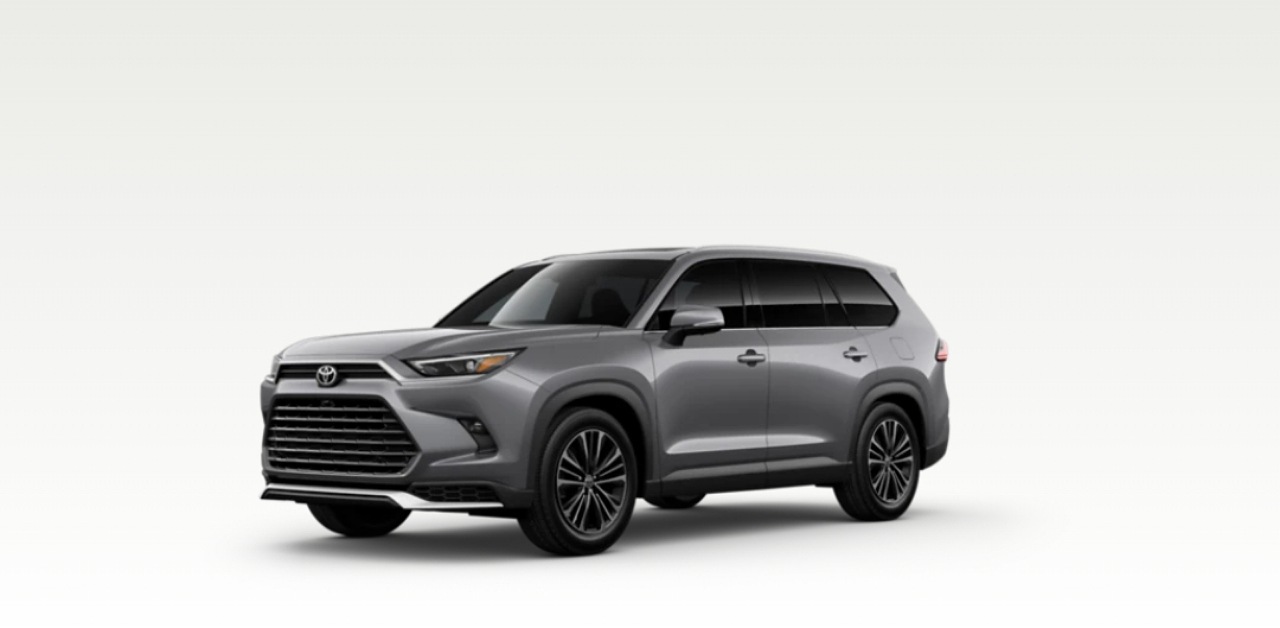
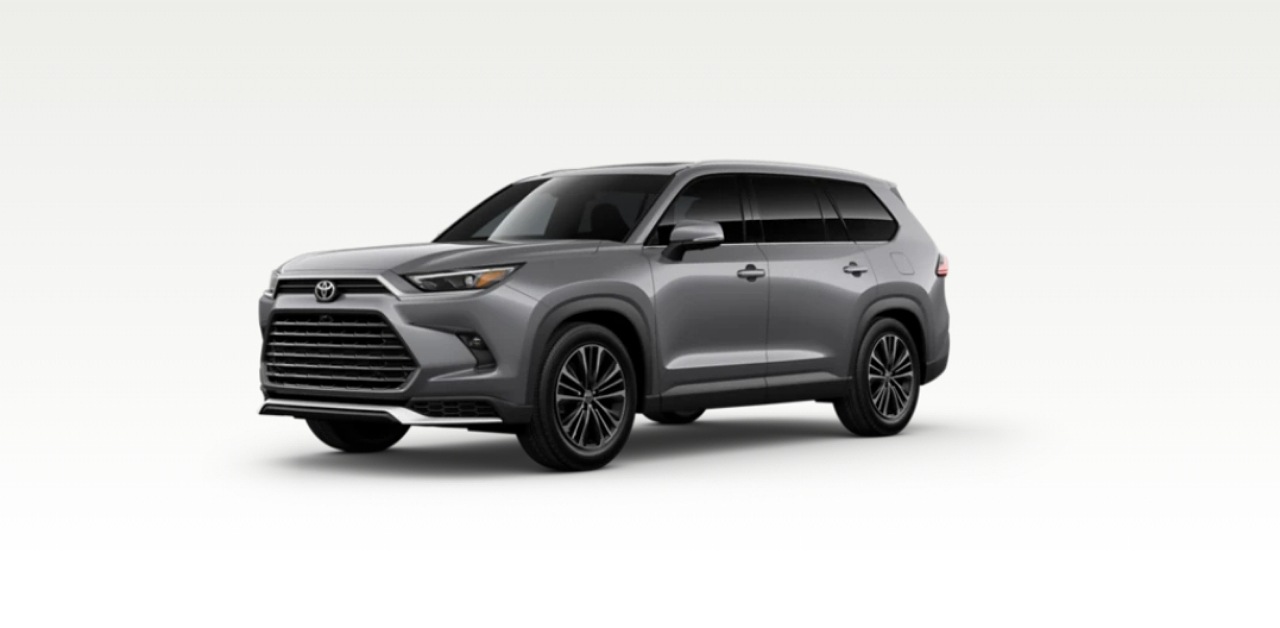
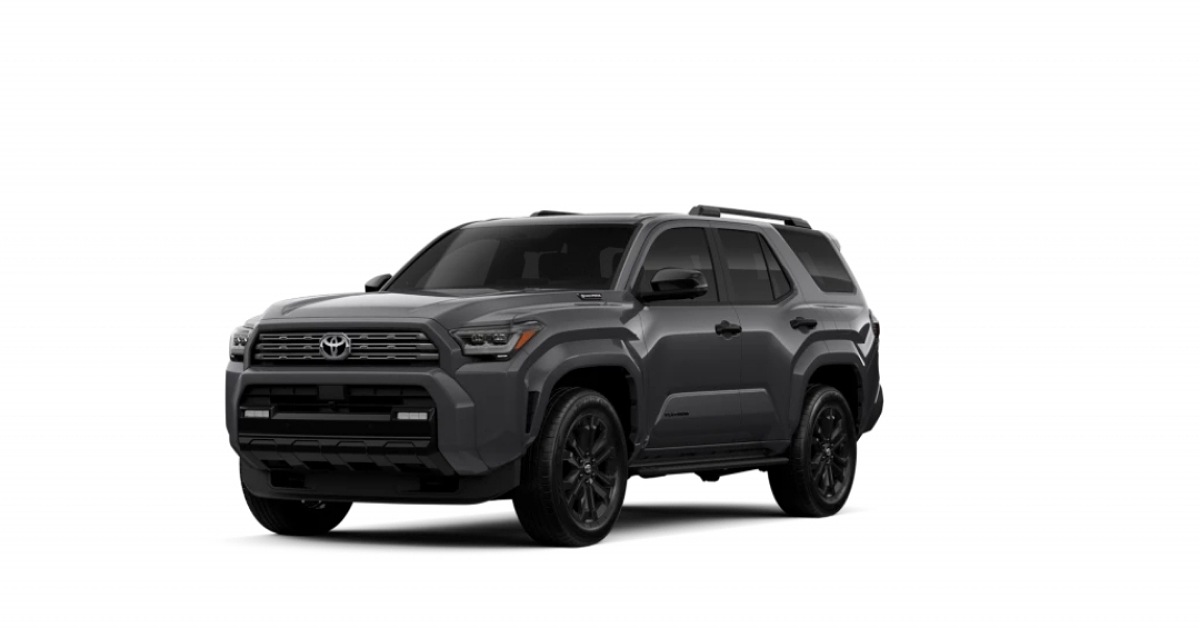
The 2025 Toyota 4Runner i-FORCE MAX steps out onto the road with unmistakable presence. Toyota’s designers have refreshed the legendary boxy silhouette that 4Runner fans know and love, infusing it with sharper lines, muscular contours, and modern styling cues that feel both contemporary and timeless. The result is an SUV that looks tougher and more purposeful than ever while maintaining the heritage appeal that defines the 4Runner brand.
Up front, the redesigned face features an aggressive grille framed by sleek LED headlights and integrated LED daytime running lights that give the 4Runner a commanding appearance. The headlights aren’t just eye candy—they deliver excellent nighttime visibility and contribute to the vehicle’s premium feel. The hood sits higher than the old model, reinforcing the SUV’s rugged stance and commanding road presence. Whether you’re parked downtown or rolling through a muddy trail, the 4Runner commands attention.
The side profile reveals a confident, athletic design with pronounced wheel arches that house various wheel options ranging from 18 to 20 inches depending on trim level. The beltline rises toward the rear, creating visual tension and depth. Special Trailhunter models come equipped with an aggressive ARB roof rack that sits tall against the sky, reinforcing their expedition-ready purpose. Higher trims feature chrome accents and upscale details, while the TRD variants sport more rugged, minimalist styling that speaks to serious capability.
The rear fascia gets an update too, with bold LED taillights spanning the width of the cargo area and an imposing TOYOTA badging on the tailgate that harks back to the brand’s heritage. All models come standard with a power rear window—a clever feature that improves visibility and aids in off-road recovery situations. Select trims add a hands-free power liftgate with a motion sensor, making loading groceries or gear hassle-free even when your hands are full.
Available alloy wheel designs range from simple 18-inch steel wheels on base models to stylish 20-inch designs on Platinum and Trailhunter trims. The color palette includes modern shades like Ice Cap (white), Heritage Blue, and Underground (dark gray), each complementing the 4Runner’s rugged character. Build quality throughout the exterior feels solid—panel gaps are tight, paint thickness appears generous, and trim pieces fit precisely. The overall result is a vehicle that looks expensive, purposeful, and ready for adventure whether your journey involves highway miles or rocky terrain.
INTERIOR REVIEW
Step inside the 2025 4Runner i-FORCE MAX, and you’ll immediately notice the transformation. Toyota’s designers have completely reimagined the cabin, creating a space that feels modern, tech-forward, and genuinely premium while maintaining the rugged practicality that 4Runner owners demand. The interior quality is several steps ahead of the previous generation, rivaling vehicles that cost tens of thousands more.
The dashboard architecture is intuitive and well-organized, with clearly labeled controls and logical button placement. The large touchscreen display takes center stage—14 inches on most models—and operates smoothly without excessive menu-diving. That large digital gauge cluster displays information in multiple configurations depending on your driving mode, from fuel economy readouts to detailed off-road telemetry. Build quality throughout is impressive, with soft-touch materials on the dashboard and door panels that don’t feel cheap. Hard plastics exist, but they’re relegated to lower-touch areas, maintaining a premium ambiance throughout.
The front seats are genuinely comfortable for long drives, with supportive side bolsters that keep you planted through corners. SofTex synthetic leather comes standard on most trims, providing easier maintenance than traditional cloth while looking upscale. Higher trims offer genuine leather trimming on both front and rear seats, heated and ventilated front seat functionality, and power adjustability for the driver’s seat with memory settings. Visibility from the driver’s seat is excellent thanks to thin A-pillars and large windows that provide a commanding view of the road and surrounding terrain.
The second row seats three passengers comfortably, with good legroom and plenty of headroom even for taller occupants. Climate zones can be controlled independently from the front, and USB charging ports keep devices powered. The third row, available on select trims, is best suited for children or occasional use on shorter trips—it’s snug but functional for weekend adventures. Seat tumble-folding is easy, and the resulting flat cargo floor creates versatile space for gear.
Interior storage surprises with clever compartments, generous cup holders, door pockets, and an under-seat storage bin in the second row. The center console includes a spacious center bin, and wireless charging pad (Qi-compatible on higher trims) keeps your phone powered and clutter-free. Ambient lighting adds visual interest and can be personalized with multiple color options on Platinum and TRD Pro models. Climate control is dual-zone, allowing driver and passenger independent temperature control. The standard feature set on even base models includes automatic climate control, steering wheel controls, and an 8-inch touchscreen with Apple CarPlay and Android Auto compatibility.
Moving upscale to the Limited and Platinum trims, you’ll find a panoramic sunroof, premium JBL audio system with 14 speakers, head-up display, and premium leather throughout. Interior materials feel cohesive and well-matched, creating an environment that doesn’t shout “rough and rugged” but instead whispers “refined adventure platform.” Storage and organization options eclipse most competitors in the segment, making the 4Runner ideal for weekend warriors and road-trip enthusiasts who appreciate thoughtful design.
PERFORMANCE & DRIVING EXPERIENCE
The moment you fire up the 2025 4Runner i-FORCE MAX, you’re immediately aware that Toyota has created something special. This isn’t a sluggish SUV that struggles on the highway or gets out of its own way reluctantly. The new powertrain delivers genuine performance that would have seemed impossible in the previous generation.
The i-FORCE MAX hybrid system is the standout option for most buyers. That 326 horsepower and 465 lb-ft of torque combination creates a genuinely muscular driving experience. The turbocharged 2.4-liter engine provides strong baseline power, while the 48-hp electric motor bridges the gap between what the engine alone can deliver and what drivers expect from a midsize SUV in 2025. Acceleration feels responsive and immediate, with the hybrid system generating peak torque at low engine speeds. The result is snappy off-the-line performance that surprises people familiar with older 4Runner models.
The eight-speed automatic transmission is a quantum leap forward from the previous generation’s ancient five-speed unit. Shifts happen smoothly during normal cruising, though some drivers have noted that hard acceleration produces noticeably abrupt downshifts. The transmission includes a manual-shift mode accessed via the gear lever, and mode select buttons allow customization between Normal, Sport, and Eco modes. Sport mode sharpens throttle response and holds gears longer for a more engaging drive, though it comes at the cost of fuel economy. Eco mode prioritizes efficiency, coasting when possible and maintaining conservative throttle mapping.
City driving reveals the hybrid system’s true strength. Stop-and-go traffic becomes less painful thanks to the electric motor providing seamless launch feel and the ability to run on battery power at extremely low speeds. The 2 kWh nickel-metal hydride battery charges during braking and highway coasting, recapturing energy that would otherwise be wasted. Real-world city driving can net 20-21 mpg depending on traffic patterns and driving style, substantially better than the standard i-FORCE turbo engine alone.
Highway performance demonstrates the hybrid’s versatility. At highway speeds above 50 mph, the gas engine dominates, and the electric motor becomes largely dormant—this is where hybrids typically lose their efficiency advantage. EPA estimates show 24 mpg highway for the hybrid, matching or slightly trailing the standard turbo engine. Real-world highway testing has seen figures in the 15-16 mpg range during aggressive driving, though gentle highway cruising can approach or slightly exceed EPA figures.
The standard i-FORCE turbo engine, available on SR5 and TRD Sport trims, delivers 278 horsepower and 317 lb-ft of torque. This is still a significant power increase over the old V6, though 48 fewer horsepower and 148 lb-ft less torque than the hybrid is noticeable during aggressive acceleration. Low-end torque is strong, and turbo lag is minimal, making the standard engine sufficiently responsive for daily driving and most driving scenarios. Pricing makes the standard engine attractive for budget-conscious buyers, but stepping up to the hybrid is recommended for those planning to keep the vehicle long-term and valuing performance and efficiency equally.
The suspension tuning strikes an impressive balance between on-road comfort and off-road capability. Standard suspension components handle city streets and highways smoothly, absorbing individual impacts well. Multiple consecutive bumps or washboard roads can produce some head toss and side-to-side motion that takes time settling, but this is minor compared to the old model. TRD trims feature TRD-tuned FOX QS3 adjustable shocks on certain models, delivering superior compliance over rough terrain.
Steering is responsive and direct, without excessive weight or vagueness. Turning radius is reasonable for a vehicle this size, though parking requires planning and patience in tight urban spaces. Four-wheel drive models with locking differentials excel in tricky off-road situations, crawling over obstacles with impressive traction. Multi-Terrain Select on TRD variants automatically adjusts engine, transmission, and drive system settings based on terrain selection, simplifying off-road navigation.
Braking performance is adequate, with good stopping power from the regenerative braking system on hybrids and standard friction brakes. Pedal modulation is progressive, and ABS prevents lockup during emergency stops. The integrated braking system on hybrid models manages energy recovery smoothly, making the transition between regenerative and friction braking nearly imperceptible to drivers.
FEATURES & TECHNOLOGY
The 2025 Toyota 4Runner i-FORCE MAX arrives fully equipped with modern technology that enhances both daily driving and adventure capability. Every model comes standard with Toyota Safety Sense 3.0, a comprehensive suite of driver assistance technologies that reflects Toyota’s commitment to safety and convenience.
The infotainment system centers on a touchscreen display ranging from 8 inches on base models to 14 inches on higher trims. Responsiveness is quick, menu navigation is intuitive, and customization options allow drivers to arrange information in preferred configurations. Integration with Apple CarPlay and Android Auto is wireless on most trims, eliminating the clutter of charging cables and simplifying smartphone connectivity. The system recognizes voice commands, allowing hands-free control of navigation, phone calls, and audio functions while maintaining focus on the road.
The 12.3-inch digital gauge cluster is standard across the lineup and replaces traditional analog gauges. Fully customizable, drivers can display fuel economy, trip odometers, compass headings, terrain angle on off-road models, and other relevant vehicle data. The layout is clean and easy to read, with excellent visibility in direct sunlight. Selectable gauges mean different driving situations can display different information—highway cruising shows economy readouts, while off-roading displays terrain angle and throttle position.
Connectivity features position the 4Runner as a genuine mobile office or entertainment hub. USB charging is standard, with wireless charging pads on higher trims (Qi-compatible for Apple and some Android devices). A 2400W AC power outlet on TRD and higher trims enables powering tools, camp equipment, or travel appliances. Ambient lighting throughout the cabin can be customized to multiple colors and intensities on premium trims.
Driver assistance technologies include Pre-Collision System with Pedestrian Detection that can automatically apply brakes if an imminent collision is detected, Lane Departure Alert with Steering Assist to gently correct if the vehicle drifts out of lane, Dynamic Radar Cruise Control for hands-free highway cruising, and more. Blind-spot monitoring includes Rear Cross-Traffic Alert, making backing up and lane changes safer. Integrated backup camera with projected path guidance simplifies parking and maneuvering in tight spaces. Front and rear parking assist with automatic braking prevents low-speed collision embarrassment in parking lots.
Multi-Terrain Monitor on TRD Off-Road and higher trims displays selectable front, side, or rear camera views—this is incredibly valuable when navigating rocky terrain, precisely placing tires while crawling, or during trail recovery situations. This system transforms the 4Runner from a blind beast into a precision instrument in challenging terrain.
Audio systems range from a basic 6-speaker setup on SR5 to the premium 14-speaker JBL system on higher trims. Sound quality is impressive even on base models, with clear treble, strong midrange, and sufficient bass. The JBL system on Platinum and TRD Pro models delivers concert hall-quality audio that rivals standalone audio brand systems. Subwoofer integration is seamless, and tuning options allow customization for different musical styles and preferences.
Convenience features include heated and ventilated front seats on most trims (heated rear seats on Platinum and higher), a power moonroof with sunshade on Limited, Platinum, and TRD Pro, automatic rain-sensing wipers, and automatic headlight leveling. Higher trims feature a head-up display projecting essential driving information onto the windshield, reducing the need to look away from the road.
Off-road-specific technology on TRD and Trailhunter models includes Crawl Control for precise low-speed maneuvering, Multi-Terrain Select for automatic suspension and drivetrain optimization, locking rear differential for maximum traction, and specialized tire options. The Trailhunter comes equipped with a pillar-mounted snorkel air intake ideal for water crossings, allowing the engine to draw air from a higher elevation where water can’t reach the intake. ARB roof racks provide 150+ pounds of auxiliary load capacity for expedition gear.
SAFETY REVIEW
Toyota built the 2025 4Runner with safety as a paramount concern, equipping every model with Toyota Safety Sense 3.0—a comprehensive suite of technologies that work in concert to protect occupants. This system includes features that actively prevent accidents and mitigate damage if collision occurs.
The Pre-Collision System with Pedestrian Detection monitors the road ahead using cameras and radar. If an imminent collision is detected with a vehicle or pedestrian, the system alerts the driver and can automatically apply brakes to prevent or reduce severity of impact. This technology has proven effective in real-world testing and crashes.
Lane Departure Alert uses camera monitoring to detect unintended lane drifts and provides steering correction to gently guide the vehicle back toward lane center. This is particularly valuable during highway driving when attention lapses or fatigue sets in. The system can be customized to alert-only or include automatic steering assist based on driver preference.
Dynamic Radar Cruise Control enables hands-free highway driving by maintaining preset distance from the vehicle ahead. The system automatically accelerates and decelerates, handling tedious stop-and-go traffic with minimal driver input. This technology is genuinely useful on long highway drives and in congested urban driving scenarios.
Traditional safety structures include multiple airbags (dual-stage front, side-impact, and rollover-protection airbags), anti-lock braking system (ABS) with Electronic Brake-force Distribution (EBD), Vehicle Stability Control, and Traction Control. The vehicle’s body structure incorporates reinforced steel in critical areas to absorb impact energy and protect occupants. Child-protector rear door locks and power window lockout control protect young passengers from accidental window or door operation.
LATCH (Lower Anchors and Tethers for Children) anchor points on second-row seats simplify safe car seat installation. Third-row seats also include LATCH anchors on select trims. The cargo area features multiple tie-down points for securing luggage and gear, preventing shift during sudden maneuvers or accidents.
Formal crash test results from NHTSA and IIHS are still pending for the completely redesigned 2025 4Runner at this writing, so specific ratings aren’t available. However, Toyota’s stellar historical safety record and the comprehensive technology suite suggest the 2025 model will perform admirably. The previous generation achieved high safety ratings across the board, and this completely new platform incorporates additional safety improvements and modern technology.
Visibility is excellent from the driver’s seat thanks to thin A-pillars and large windows. Thin B-pillars don’t significantly obstruct side visibility, and the high seating position provides commanding views of the road and surrounding terrain. The integrated backup camera with projected path guidance displays on the 8-14 inch touchscreen, making reverse parking considerably easier.
MILEAGE & FUEL EFFICIENCY
The 2025 Toyota 4Runner i-FORCE MAX delivers impressive fuel economy gains compared to the previous generation’s 17 mpg combined figure. However, real-world mileage often differs from EPA estimates, so understanding realistic expectations is important for buyers.
EPA fuel economy for the i-FORCE MAX hybrid ranges from 21-23 mpg city, 24 mpg highway, and 22-23 mpg combined, depending on drivetrain configuration (RWD versus 4WD). The standard 2.4L turbo engine rates 19-21 mpg city, 24-26 mpg highway, and 21-22 mpg combined. These figures represent a meaningful improvement over the old V6, which genuinely struggled to achieve more than 17 mpg in real-world driving.
Real-world fuel economy testing shows consistent results slightly lower than EPA estimates. Edmunds testing recorded 18.5 mpg average lifetime economy on a hybrid model, with best-case scenarios achieving 21 mpg and worst-case scenarios seeing 15-16 mpg during aggressive driving or highway cruising. City driving in normal mode can achieve 20-21 mpg, while aggressive Sport mode driving drops this to 16-18 mpg.
Highway economy remains a weak point for the hybrid system. At sustained 70 mph highway speeds, real-world testing reveals 15-16 mpg for aggressive drivers and 18-19 mpg for gentle highway cruisers. The standard turbo engine performs similarly on highways, suggesting that for pure highway efficiency, the $9,000+ hybrid premium may not pay back quickly. However, for drivers doing mixed city/highway driving with significant urban commuting, the hybrid’s city efficiency advantage makes a genuine difference.
Driving mode selection dramatically impacts fuel economy. Eco mode prioritizes efficiency by aggressive coasting and conservative throttle mapping, potentially adding 1-2 mpg compared to Normal mode. Sport mode, despite its engaging character, sacrifices 3-5 mpg for sharper performance. Drive cycle significantly affects results—spirited acceleration, highway driving at high speeds, and towing or carrying heavy loads all negatively impact fuel economy.
The 19-gallon fuel tank provides reasonable range despite the SUV’s size. Combined with 22-23 mpg hybrid economy, you can expect 400-450 miles per tank under typical mixed driving. Long highway trips in efficient mode can push this toward 475 miles, while aggressive driving and stop-and-go city driving might reduce range to 350 miles. Regular unleaded gasoline is recommended for both powertrains, helping keep fuel costs down compared to premium-fuel-only vehicles.
Hybrid battery technology (2 kWh nickel-metal hydride pack) is proven reliable, and Toyota’s warranty covers it for eight years/100,000 miles in most states or ten years/125,000 miles in California. The modest size and weight of Toyota’s hybrid pack means it doesn’t significantly impact interior space or cargo capacity compared to the standard turbo engine, making it an easy decision for most buyers.
PRICE & VARIANT DETAILS
The 2025 Toyota 4Runner arrives with a starting price of $40,770 MSRP plus $1,450 destination charge for the base SR5 model with 2WD. This represents a significant value proposition for an entirely redesigned, modern midsize SUV. However, the entry price quickly rises as you climb the trim hierarchy.
Trim Levels and Starting Prices:
SR5 – Starting $40,770 (2WD) or approximately $43,500 (4WD) – The value leader, including Toyota Safety Sense 3.0, 8-inch touchscreen, wireless Apple CarPlay/Android Auto, power rear window, and basic comfort features. Best for budget-conscious buyers or fleet/commercial use.
TRD Sport – Starting $49,870 – Adds 20-inch wheels, synthetic leather seats, TRD skid plates, Multi-Terrain Select drive modes, and off-road styling cues. A solid mid-range option balancing capability and price.
TRD Off-Road – Starting $54,970 – Further off-road capability including locking rear differential, Multi-Terrain Monitor with camera views, specialized suspension tuning, rock rails, and aggressive styling. Ideal for weekend adventurers.
TRD Off-Road Premium – Starting $57,000 (standard turbo) or $60,300 (i-FORCE MAX) – Adds leather trimming, heated/ventilated front seats, premium audio, and additional comfort features while maintaining off-road prowess.
Limited – Starting approximately $58,000 – Luxury-focused trim with full-time 4WD, leather seating throughout, panoramic moonroof, dual-zone climate, premium JBL audio, and upscale interior appointments.
Platinum – Starting approximately $65,000 – The ultimate luxury trim with heated second-row seats, head-up display, automatic rain-sensing wipers, ambient lighting, power moonroof, and premium everything. Exclusive to hybrid powertrain.
Trailhunter – Starting approximately $70,000 – Newly created expedition-focused trim with ARB roof rack, heavy-duty Old Man Emu shocks, specialized suspension, snorkel air intake, reinforced skid plates, and expedition-specific features. Unique lifestyle positioning.
TRD Pro – Starting approximately $75,000 – The ultimate performance variant reserved for hybrid models, combining extreme off-road capability with TRD-tuned FOX QS3 adjustable shocks with rear remote reservoirs, 33-inch Toyo all-terrain tires, 18-inch black wheels, TRD air intake, and aggressive styling. A rolling sculpture for serious enthusiasts.
Best Value Recommendation:
The TRD Off-Road Premium i-FORCE MAX ($60,300) represents exceptional value for the money. The $3,000 premium over the turbo version gains you 48 horsepower, 148 lb-ft of torque, and meaningful fuel economy improvements, especially for mixed driving with significant city commuting. The locking differential and Multi-Terrain Monitor deliver genuine capability advantages, and the i-FORCE MAX hybrid system’s longevity potential justifies the modest price increase. For buyers prioritizing luxury and technology, the Limited trim at lower total cost delivers comparable comfort to more expensive models without the off-road specialization you may not actually use.
Options and Packages:
Most trims offer factory option packages combining popular features into economical bundles. Common options include premium audio system upgrades, moonroof additions on trims where standard, upgraded wheel and tire packages, and specialized suspension components. Dealer-installed accessories are available but typically carry premium markups compared to aftermarket alternatives.
PROS & CONS
Pros:
The 2025 4Runner i-FORCE MAX’s strengths significantly outweigh its weaknesses. The new i-FORCE MAX hybrid powertrain delivers impressive performance—326 hp and 465 lb-ft torque represent a meaningful jump over the previous V6. The eight-speed automatic transmission vastly improves responsiveness and efficiency compared to the ancient five-speed unit it replaces. Fuel economy improvements of 5-6 mpg combined compared to the old model are genuinely significant for a vehicle this size.
Design is another major strength. The completely remodeled interior feels genuinely modern and upscale, with premium materials and thoughtful layout that rivals vehicles costing tens of thousands more. The dashboard is intuitive, touchscreen responsiveness is quick, and customization options abound. Exterior styling refreshes the iconic boxy design without losing heritage appeal—it looks tough, purposeful, and timeless simultaneously.
Technology integration impresses. Apple CarPlay and Android Auto work flawlessly, Toyota Safety Sense 3.0 provides genuine peace of mind, and the digital gauge cluster customization is genuinely useful. Multi-Terrain Monitor and Crawl Control on TRD models transform the 4Runner into a technical off-road instrument. Wireless charging, head-up displays, and panoramic camera systems on higher trims deliver convenience and capability.
Build quality and durability are exceptional. Panel gaps are tight, trim pieces fit precisely, and materials throughout feel solid and well-engineered. Toyota’s legendary reliability record suggests the 2025 model will serve owners well for 150,000+ miles with reasonable maintenance. The warranty includes 36-month/36,000-mile basic coverage, 60-month/60,000-mile powertrain coverage, and hybrid battery coverage for 8 years/100,000 miles.
Off-road capability remains a defining strength. Locking differentials, Multi-Terrain Select, Crawl Control, and genuine ground clearance with proper suspension tuning make the 4Runner genuinely capable on trails that would challenge most competitors. The rugged body-on-frame construction and high seating position inspire confidence in difficult terrain.
Practicality is excellent. Seven-seat capacity (on available trims) accommodates families, cargo space is generous, and split-folding rear seats create flexibility for mixed passenger/cargo scenarios. Storage compartments throughout are numerous and thoughtfully designed.
Cons:
Fuel economy improvements, while meaningful, still trail some competitors. Real-world hybrid economy of 18-19 mpg combined falls short of the EPA estimate of 22-23 mpg, and highway efficiency particularly disappoints. The standard turbo engine’s highway fuel economy improvement over the hybrid is marginal at best, making the $9,000 hybrid premium a hard sell for highway-dominant drivers.
Transmission behavior, particularly during hard acceleration, exhibits noticeable abruptness. Initial downshifts are felt and almost heard, and subsequent upshifts during spirited driving are evident rather than transparent. This isn’t smooth or refined—it’s functional but not class-leading.
Stop-and-go traffic reveals transmission lurching on some examples, particularly when traffic creates accordion-like deceleration/acceleration cycles. The transition between regenerative and friction braking on hybrids occasionally feels jerky, though this varies based on driving style and road conditions.
The optional third row is cramped and best reserved for children or occasional use. Adults will find legroom and headroom inadequate for anything beyond short trips. This limits the true family-hauling capability compared to three-row competitors like the Chevy Tahoe or Ford Expedition.
Price has climbed significantly. The base model at $40,770 is reasonable, but i-FORCE MAX models start around $57,000 and quickly climb toward $70,000+ on higher trims. Value per dollar invested is good but not exceptional compared to competitors. The Chevy Tahoe delivers more raw power for similar money, though it trails in interior refinement and fuel efficiency.
Throttle response on the hybrid, while responsive, exhibits hair-trigger sensitivity that can break traction during spirited acceleration. Feathering the throttle to climb a rocky hill requires delicate modulation, and aggressive acceleration on trail sections can lead to unexpected wheel spin. This is particularly noted on the Trailhunter trim’s snorkel-equipped variant.
Turbo lag, while minimal, still exists on the standard i-FORCE engine during partial throttle situations. The hybrid’s electric motor smooths this over, but standard engine buyers may notice slight pause before boost arrives during passing maneuvers.
Rear-seat entertainment and cabin climate control aren’t as granular as some luxury competitors. While dual-zone climate is standard on most trims, individual rear-seat climate control is absent. Higher trims lack rear-seat seatback screens found on some larger competitors, though smartphone entertainment alternatives exist.
The ARB roof rack on Trailhunter models, while visually striking and functionally useful, increases wind noise and impacts aerodynamics slightly, contributing to lower highway fuel economy than non-Trailhunter hybrids.
COMPETITORS COMPARISON
The 2025 Toyota 4Runner i-FORCE MAX competes against two primary rivals: the Chevrolet Tahoe and Ford Expedition. Each vehicle brings distinct strengths and weaknesses to the competition.
Toyota 4Runner i-FORCE MAX vs. Chevrolet Tahoe:
| Factor | Toyota 4Runner i-FORCE MAX | Chevrolet Tahoe |
|---|---|---|
| Starting Price | $40,770 | $57,000+ |
| Horsepower | 326 hp (i-FORCE MAX) | 420 hp (6.2L V8) |
| Torque | 465 lb-ft (i-FORCE MAX) | 460 lb-ft |
| City/Hwy/Combined MPG | 21-23/24/22-23 | 15/20/17 |
| Towing Capacity | 6,000 lbs | 8,100 lbs |
| Seating | 5-7 passengers | 8-9 passengers |
| Cargo Space | 76.3 cu ft (with seats folded) | Comparable or larger |
| Interior Quality | Modern, refined, tech-forward | Traditional, sturdy |
| Off-Road Capability | Excellent, locking differentials | Good, primarily on-road focused |
| Best For | Adventure seekers, efficiency-minded, modern tech | Pure towing power, traditional reliability |
The 4Runner edges the Tahoe in fuel efficiency, interior modernity, and off-road capabilities, while the Tahoe dominates in raw power, towing capacity, and pricing entry point. The Tahoe is more truck-like; the 4Runner is more adventure-focused.
Toyota 4Runner i-FORCE MAX vs. Ford Expedition:
| Factor | Toyota 4Runner i-FORCE MAX | Ford Expedition |
|---|---|---|
| Starting Price | $40,770 | $82,000+ |
| Horsepower | 326 hp (i-FORCE MAX) | 440 hp (Twin-Turbo V6) |
| Torque | 465 lb-ft | 510 lb-ft |
| City/Hwy/Combined MPG | 21-23/24/22-23 | 17/25/20 |
| Towing Capacity | 6,000 lbs | 9,600 lbs |
| Seating | 5-7 passengers | 8-9 passengers |
| Cargo Space | 76.3 cu ft (with seats folded) | 10-12% more than Tahoe |
| Interior Quality | Modern, refined, Toyota | Luxurious, tech-heavy, Ford |
| Off-Road Capability | Excellent | Limited, street-focused |
| Best For | Value, efficiency, adventure | Luxury, power, three-row family hauling |
The Expedition dominates in power, towing, and luxury amenities, while the 4Runner wins decisively on price and off-road capability. The Expedition caters to families prioritizing comfort and power; the 4Runner appeals to adventure-seekers and value-conscious buyers.
For buyers seeking adventure-capability combined with modern interior refinement and efficiency, the 2025 Toyota 4Runner i-FORCE MAX is the segment winner. The Tahoe and Expedition excel in different areas but sacrifice the 4Runner’s adventure focus and efficiency.
FINAL VERDICT
The 2025 Toyota 4Runner i-FORCE MAX represents a genuine achievement in SUV design—successfully modernizing an icon without sacrificing the qualities that made it beloved. This is a vehicle that pleases enthusiasts and dailys drives and impresses tech-forward buyers while remaining true to its rugged heritage.
The combination of the i-FORCE MAX hybrid powertrain, modern interior, advanced technology suite, and genuine off-road capability creates a compelling package that justifies the significant redesign investment Toyota made. You’re getting an SUV that drives better than the old model, feels more refined inside, looks fresher outside, and delivers meaningful efficiency improvements—all while maintaining the capability that defines the 4Runner badge.
The 4Runner i-FORCE MAX is an excellent choice for adventure seekers who appreciate modern technology and interior refinement but refuse to compromise capability for luxury. Buyers splitting time between city commuting and weekend trail exploration will particularly appreciate the balanced approach this vehicle takes. The hybrid powertrain makes sense for mixed driving with significant city commuting; the standard turbo engine offers reasonable value for highway-dominant drivers despite fuel economy trade-offs.
Is the 2025 4Runner i-FORCE MAX worth buying? Absolutely—assuming your priorities align with what Toyota built. If you value adventure-capability, modern interior design, technology integration, genuine off-road prowess, and Japanese reliability above maximum power or towing capacity, the 4Runner i-FORCE MAX deserves serious consideration. The complete redesign has addressed every significant weakness of the previous generation while enhancing its considerable strengths.
This is a premium-priced vehicle competing against cheaper Tahoe entries and more luxurious Expedition options. However, the 4Runner carves out a distinct niche—the adventure-focused, technology-forward, surprisingly efficient midsize SUV that refuses to compromise. Whether that positioning justifies $60,000-$75,000 investment depends on your values and driving patterns. For the right buyer, the answer is an emphatic yes.
FREQUENTLY ASKED QUESTIONS
Is the 2025 4Runner i-FORCE MAX good for families?
Yes, though with caveats. The five-seat standard configuration comfortably seats a family of five with good legroom, excellent interior quality, and practical features like heated seats and dual-zone climate. The optional third-row seat accommodates two additional passengers but feels cramped for adults. The seven-seat configuration is better suited for families with young children or situations where a third row is occasionally needed rather than regularly used. Safety features are comprehensive, interior quality is refined, and the 4Runner’s rugged nature appeals to families with adventurous leanings.
What is the real-world fuel mileage of the 4Runner i-FORCE MAX?
Real-world combined fuel economy averages 18-19 mpg for typical mixed driving according to owner reports and professional testing. City driving in normal mode can achieve 20-21 mpg, while highway driving typically returns 15-16 mpg depending on speed and driving style. EPA estimates of 22-23 mpg combined are optimistic and rarely achieved consistently. Eco mode and gentle driving can improve numbers, while Sport mode and aggressive acceleration significantly decrease them. Compared to the previous generation’s 17 mpg, this represents a meaningful improvement.
What is the maintenance cost for the 2025 Toyota 4Runner i-FORCE MAX?
Toyota’s reputation for affordability extends to the 4Runner. The first 25,000 miles of maintenance is complimentary as part of the ToyotaCare program. Beyond that, expected maintenance costs average approximately $1,900 for the first five years based on extended warranty pricing. This includes oil changes (recommended every 10,000 miles), air filter replacements, brake inspections, and other routine maintenance. Tire replacement will be the biggest additional expense, typically $1,500-$2,500 depending on tire choice and whether all four or just two need replacement.
Should I buy the hybrid or standard turbo engine?
The hybrid makes sense for buyers doing significant city commuting with mixed highway driving. The $9,000-$12,000 premium pays back through fuel savings over 5-7 years for typical drivers, and you gain 48 horsepower and 148 lb-ft torque simultaneously. Highway-dominant drivers may find the standard turbo more economical long-term, though highway fuel economy differences are marginal. Resale values likely favor the hybrid as fuel efficiency becomes increasingly important to secondhand buyers.
Is the 4Runner reliable?
Toyota’s historical reliability record is among the industry’s best, and the completely redesigned 2025 model incorporates modern technologies while maintaining the proven engineering principles that define Toyota durability. Early production examples show no systemic issues. The hybrid battery is proven reliable with Toyota’s warranty covering it for eight years/100,000 miles. Body-on-frame construction and available locking differentials provide redundancy and durability for off-road abuse. Conservative estimates suggest 150,000+ mile service life with routine maintenance.
What are the best 4Runner trim levels for value?
The TRD Off-Road Premium i-FORCE MAX ($60,300) delivers exceptional value combining off-road capability, hybrid performance, locking differential, and Multi-Terrain Monitor without luxury-focused pricing of Limited and Platinum models. For buyers prioritizing on-road luxury over off-road capability, the Limited trim offers comparable comfort and technology to more expensive variants. The Trailhunter is niche-focused and commands expedition pricing; TRD Pro is ultimate capability but premium-priced.