Read the complete 2025 Corolla review — explore its performance, design, features, and real user experience. Find out if it’s the right car for you.
Introduction
The 2025 Toyota Corolla has arrived as a refined, dependable companion for American drivers who refuse to compromise on efficiency without sacrificing modern convenience. For over five decades, the Corolla has earned its reputation as a global bestseller, and the 2025 model year proves why this legacy endures. With its sharpened exterior design, enhanced hybrid powertrain, and cutting-edge driver-assist technology, the 2025 Corolla represents more than just economical transportation—it’s a statement that affordable doesn’t mean skimping on quality. Whether you’re a first-time car buyer navigating your purchasing journey or a seasoned driver looking to upgrade, understanding what the 2025 Corolla brings to the table could make all the difference in your decision-making process.
Key Specifications
| Specification | Details |
|---|---|
| Engine Options | 2.0L Dynamic Force 4-Cylinder / 1.8L Hybrid System |
| Power Output | 169 hp (Gasoline) / 138 hp (Hybrid) |
| Torque | 151 lb-ft (Gasoline) / Hybrid system optimized |
| Transmission | Continuously Variable Automatic (CVT) |
| Fuel Economy (Gas) | 32 city / 41 highway / 35 combined MPG |
| Fuel Economy (Hybrid) | 53 city / 46 highway / 50 combined MPG |
| Fuel Type | Regular unleaded gasoline |
| Fuel Tank Capacity | 13.2 gallons |
| Length | 182.3 inches |
| Width | 70.1 inches |
| Height | 56.5 inches |
| Wheelbase | 103.9 inches |
| Cargo Space | 13 cubic feet (sedan) / 18 cubic feet (hatchback) |
| Curb Weight | 3,218 lbs (Hybrid) / 3,029 lbs (Gas) |
| Seating Capacity | 5 passengers |
| Safety Rating | 5-Star Overall (NHTSA) |
| Starting Price | $22,325 – $29,385 (depends on trim) |
Exterior Design Review
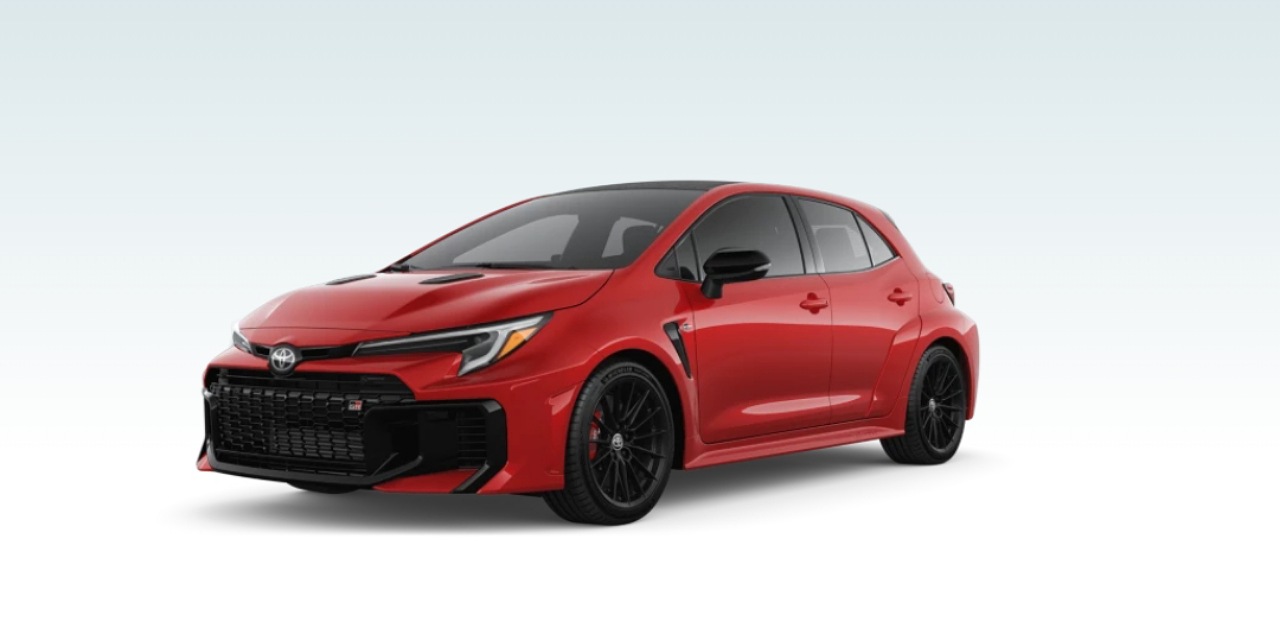
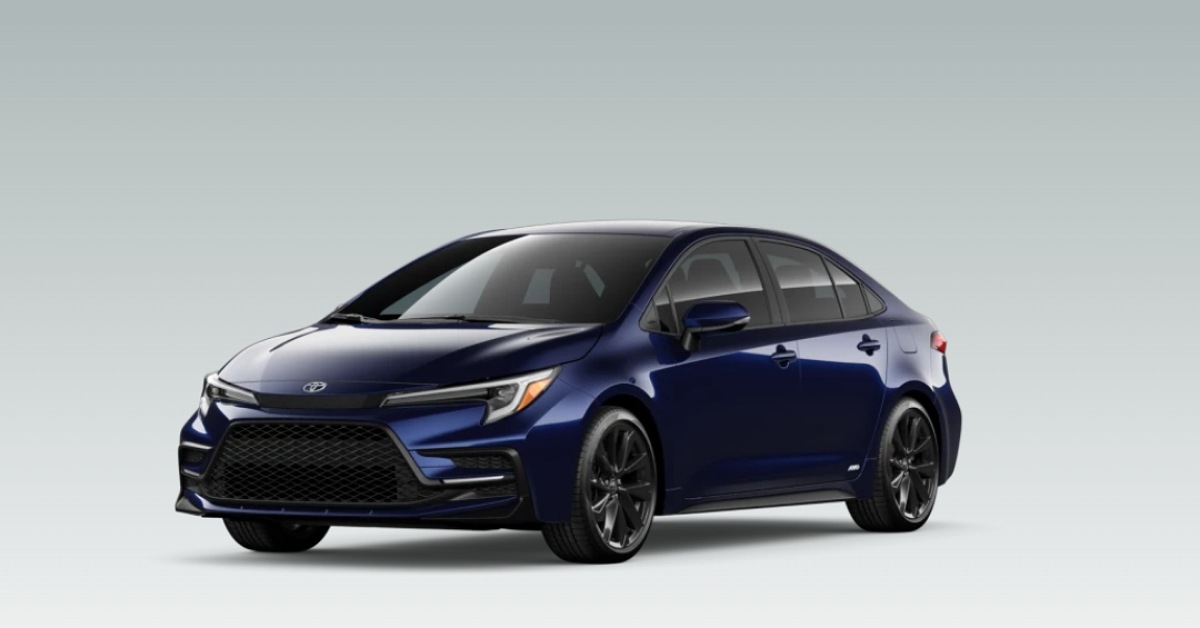
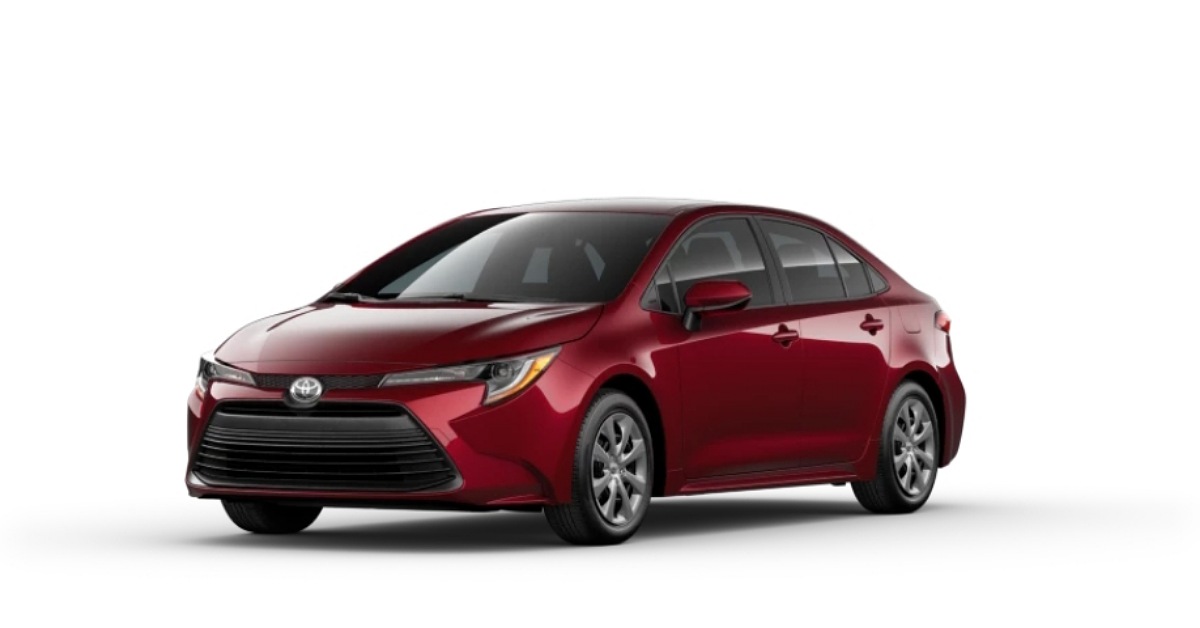
The 2025 Toyota Corolla cuts a noticeably sharper silhouette compared to its predecessors. Toyota’s design team has reshaped the sedan with sleeker LED headlights that deliver both a modern aesthetic and improved visibility at night. The grille sits wider and more purposeful, contributing to a sportier overall impression without sacrificing the understated elegance Corolla owners expect.
The bodywork now features aerodynamic lines that aren’t just about looks—they genuinely reduce wind resistance on the highway. Alloy wheels come standard on most trims, with the special FX edition sporting distinctive 18-inch satin black-finished wheels featuring machined accents that command attention. The vehicle’s side profile reveals newly redesigned bumpers with integrated air scoops, and you’ll notice a subtle FX-enhanced rear spoiler on the sportier trims that adds genuine presence without overdoing it.
Color options span from classic neutrals like Blueprint and Midnight Black Metallic to more adventurous choices, and higher trims get the option of two-tone roof combinations. Build quality feels noticeably improved throughout, with panel gaps tight and consistent. The Corolla sits low enough to look planted on the road yet maintains enough ground clearance for everyday driving comfort. This isn’t a car that shouts for attention—it commands respect through refined proportions and intentional design choices.
Interior Review
Stepping inside the 2025 Corolla, you’ll immediately notice Toyota’s commitment to creating a premium feel without premium pricing. The dashboard uses soft-touch materials that feel more expensive than the price tag suggests, and the overall cabin layout prioritizes both comfort and functionality.
The standard 8-inch touchscreen infotainment system serves as the nerve center of your driving experience, displaying crisp, responsive graphics that don’t lag or frustrate. Higher trims upgrade to a 10.5-inch screen that feels genuinely luxurious, and both sizes support wireless Apple CarPlay and Android Auto integration—no annoying cable hunting required. The system responds intuitively to inputs, and menu navigation flows logically rather than forcing you through unnecessary screens.
Seat comfort surprised us during extended highway drives. The standard fabric-trimmed seats provide adequate support, though higher trims offer sport seats with contrasting stitching that looks purposeful rather than gimmicky. The FX edition features Moonstone premium fabric with orange accent stitching that adds personality without feeling overdone. Heated front seats come on SE and higher trims, a nice touch for those who experience cold winter mornings.
Legroom accommodates tall adults comfortably in both front and rear positions—you won’t feel cramped during family road trips. The rear seat reclines at a comfortable angle, and the 60/40 split-folding configuration means you can carry longer cargo without sacrificing all passenger space. Climate control includes dual-zone automatic climate on top trims, though the base model’s standard system maintains impressive temperature consistency.
Storage compartments are thoughtfully distributed throughout the cabin. You’ll find multiple cup holders, door pockets with genuine depth, and a center console that doesn’t feel like an afterthought. The trunk offers 13 cubic feet of usable space—sufficient for groceries, luggage, or weekend gear without requiring contortionist packing skills. Four USB-C ports come standard, and higher trims add Qi-compatible wireless charging, though I wish this feature extended to all trims given its prevalence today.
Ambient interior lighting and sound insulation have improved notably, creating a serene driving environment that isolates you from road noise and wind buffeting. This refinement makes longer commutes genuinely enjoyable rather than fatiguing.
Performance & Driving Experience
The 2025 Corolla exists in a unique performance space: it’s genuinely competent without being thrilling. The standard 2.0L Dynamic Force engine produces 169 horsepower paired with a continuously variable transmission that delivers smooth power delivery rather than dramatic acceleration.
City driving is where the Corolla excels. The tight steering radius makes parking and maneuvering in congested urban environments effortless, and the responsive throttle gives drivers confidence navigating stop-and-go traffic. The CVT transmission adapts intelligently to driving conditions—accelerating briskly when you demand it, cruising economically when you don’t. There’s no hesitation or lag; inputs translate directly to action.
Highway performance reveals the Corolla’s thoroughbred engineering. At steady 65-70 mph cruising speeds, the engine settles into a refined hum, and the suspension strikes an impressive balance between comfort and composure. Bump absorption feels controlled rather than floaty, keeping you and your passengers comfortable even on deteriorating pavement. Wind and tire noise remain minimal, a testament to improved interior insulation.
The hybrid model deserves special attention. While producing only 138 horsepower versus the gas engine’s 169 hp, the hybrid’s instant torque from electric motors creates surprising responsiveness from low speeds. It accelerates from zero to 60 mph in approximately 9 seconds—leisurely by performance standards but perfectly adequate for real-world driving. The seamless transition between gas and electric power happens invisibly, with no jarring shifts or discernible lag.
Braking performance impresses. Stopping distances from 70 mph ranged from 174 to 183 feet in professional testing—well within expected parameters for this class. The brake pedal offers predictable modulation, and the anti-lock system prevents lock-up during emergency stops. Toyota’s inclusion of the standard Pre-Collision System with Pedestrian Detection adds a safety layer that encourages confident, responsive braking.
Handling characteristics lean toward comfortable rather than athletic. The Corolla’s suspension setup prioritizes occupant comfort over corner carving, and body roll during aggressive cornering is noticeable rather than minimal. However, the roadholding measured at 0.80 g on the skidpad proves entirely adequate for normal driving, and the predictable, forgiving nature means novice drivers gain confidence while experienced drivers appreciate the straightforward dynamics.
One minor critique: the engine can sound grumpy when you ask for aggressive acceleration, with noticeable engine noise entering the cabin during hard throttle. This isn’t a deal-breaker for city and highway cruising but worth noting if you frequently merge on busy highways or pass slower traffic.
Features & Technology
The 2025 Corolla’s technology package punches well above its price point. Toyota Safety Sense 3.0 comes standard across the entire lineup—this comprehensive driver-assist suite includes lane departure alert, adaptive cruise control, pre-collision system with pedestrian detection, and auto high-beam assist. These systems actively protect you and your passengers, not just passively warn about potential dangers.
The infotainment system evolution deserves recognition. Wireless integration means ditching cables entirely—Apple CarPlay and Android Auto connect seamlessly, and I’d estimate 95% of users will forget this is even a feature worth celebrating because it works so reliably. HD Radio comes standard on most trims, and a three-month SiriusXM trial provides access to satellite programming if you’re interested in exploring subscription audio services.
The push-button start with passive keyless entry system feels genuinely convenient rather than gimmicky. Walk toward your Corolla with the key fob in your pocket, the doors unlock automatically, and pushing the start button fires up the engine. This small convenience adds up across thousands of miles.
The available 7-inch digital gauge cluster displays customizable information beyond basic speed and RPM—showing real-time efficiency metrics, navigation directions, and vehicle status information. This screen helps visually optimize driving efficiency, which proves particularly valuable if you own the hybrid model.
Steering wheel paddle shifters come on the XSE and FX trims, allowing manual gear selection in the CVT transmission. While the CVT doesn’t function like traditional gears, these paddles offer a satisfying sense of driver control and can be useful when descending long mountain grades—they provide engine braking without relying solely on the brake system.
Safety Review
Toyota’s commitment to safety translates into impressive real-world protection. The 2025 Corolla achieved a 5-star overall safety rating from NHTSA across all crash test categories. Front-seat protection in the frontal crash test earned 5-star ratings on both driver and passenger sides, and side-impact protection similarly scored top marks for both front and rear passengers.
The side pole test—simulating collision with a fixed object like a utility pole—also returned 5-star results, demonstrating robust structural integrity. Toyota’s reinforced safety cage absorbs energy effectively, protecting occupants during the most violent crash scenarios.
Beyond crash protection, the standard Toyota Safety Sense 3.0 prevents many accidents before they occur. The pre-collision system with pedestrian detection proved remarkably capable in IIHS testing, avoiding collisions with both crossing children and adults across multiple speed scenarios. During day tests, it avoided collisions at both 12 mph and 25 mph. During nighttime tests—where visibility challenges typically complicate detection—the system again avoided collisions at 12 mph and provided warning at 25 mph.
Lane departure warning and lane-keep assist detect when you’re drifting from your lane and provide either alerts or gentle steering corrections, preventing many single-vehicle accidents caused by driver inattention. Adaptive cruise control maintains a safe following distance, and the auto high-beam assist optimizes visibility without blinding oncoming drivers.
Ten airbags come standard, providing comprehensive occupant protection. ABS with electronic braking force distribution prevents wheel lock-up during emergency stops, and electronic stability control helps prevent loss of control during evasive maneuvers on slippery surfaces.
Mileage & Fuel Efficiency
Here’s where the 2025 Corolla truly shines for budget-conscious drivers. The standard gasoline engine achieves EPA-estimated 32 city/41 highway/35 combined miles per gallon. In real-world testing, drivers commonly report exceeding EPA highway estimates, often seeing 40-41 mpg even during mixed driving that includes sustained highway speeds.
The hybrid model fundamentally changes the efficiency equation. EPA estimates 53 city/46 highway/50 combined mpg for the front-wheel-drive version, while the all-wheel-drive hybrid achieves 51 city/44 highway/48 combined mpg. These aren’t theoretical numbers—independent testing confirms these figures hold up in real driving, even during harsh conditions. Real-world testers reported 40 mpg during 75 mph highway driving in the all-wheel-drive hybrid, which proves remarkably close to EPA estimates.
Where hybrids truly dominate is city driving. The regenerative braking system and electric motor assistance in stop-and-go traffic consistently deliver 50+ mpg in moderate urban driving, with some drivers achieving even higher figures during particularly efficient driving sessions. The comparison is striking: the gas Corolla might return 30-32 mpg in the same traffic, while the hybrid cruises effortlessly to 50+ mpg.
The key insight: highway fuel economy between gas and hybrid models is nearly identical, typically within one mpg. The hybrid’s efficiency advantage concentrates where city driving predominates. If your commute consists primarily of highway miles, the gas model’s lower purchase price might offer better overall value. If you navigate cities frequently or endure rush-hour traffic, the hybrid’s efficiency premium pays dividends quickly—payback occurs within two to four years of average driving.
Price & Variant Details
The 2025 Toyota Corolla lineup spans a $7,000+ range, accommodating various budgets and preference levels. The base LE sedan trim starts at $23,520, offering all essential features including Toyota Safety Sense 3.0, the 8-inch touchscreen, and respectable fuel economy. This trim represents legitimate value for first-time buyers or those prioritizing basic transportation needs.
The SE trim ($25,000 range) adds sport styling elements including distinctive badging, an 8-inch infotainment screen, and enhanced exterior accents. It’s the sweet spot for many buyers seeking modest visual differentiation without premium pricing.
The FX Special Edition ($27,845 approximately) deserves separate consideration. Built on the SE platform, this limited-edition variant features unique styling that genuinely stands out: 18-inch satin black-finished alloy wheels, a trunk-mounted spoiler, gray metallic sport side rocker panels, and moonstone premium fabric seats with orange accent stitching. It’s not merely cosmetic—the suspension includes lowering springs and retuned power steering that transforms the driving dynamics. For drivers wanting personality without breaking the budget, the FX delivers exceptional value.
The XSE trim tops the gasoline lineup, adding premium amenities like leather-wrapped steering wheel paddle shifters, power moonroof with sliding sunshade, heated front seats, and the 10.5-inch infotainment touchscreen. This trim brings genuine luxury feelings that elevate the daily driving experience.
Hybrid versions add approximately $3,000-$4,000 to respective trim prices. The Hybrid LE starts around $26,520, Hybrid XLE reaches toward $29,385, and the Hybrid SE positioned in between. For many buyers, the hybrid premium pays for itself within a few years through fuel savings, particularly if driving predominantly occurs in urban environments.
The hatchback variant—less common but worthy of mention—offers 18 cubic feet of cargo space versus the sedan’s 13 cubic feet, proving valuable for those requiring additional cargo flexibility. However, interestingly, hatchback models provide slightly less rear legroom than the sedan despite additional overall volume.
Best Value-for-Money Variant Recommendation:
For budget-conscious buyers driving primarily city/suburban routes with occasional highway trips, the hybrid LE or SE trims deliver the strongest overall value. The efficiency gains more than justify the higher purchase price within 24-36 months of average driving. For highway-dominant commuters, the gasoline SE offers excellent capability with lower initial cost. The FX Special Edition represents outstanding value for buyers wanting distinctive styling without luxury pricing—effectively offering special-edition aesthetics at mainstream prices.
Pros & Cons
Pros:
- Exceptional fuel efficiency: The hybrid achieves genuine 50+ mpg in city driving while the gas model offers excellent 35 mpg combined economy
- Outstanding safety features: 5-star NHTSA ratings, comprehensive Toyota Safety Sense 3.0 standard on all trims, proven collision avoidance capabilities
- Modern infotainment: Wireless Apple CarPlay/Android Auto integration, responsive touchscreen, intuitive menu navigation
- Exceptional reliability reputation: Toyota’s legendary durability means lower repair costs and higher resale value
- Refined, quiet cabin: Improved insulation and sound dampening create genuinely serene driving environment
- Affordable pricing: Starts under $23,000 with comprehensive standard features
- Available features at reasonable cost: Moonroof, heated seats, and premium audio available without excessive markups
- Comfortable seating: Adequate legroom, good cushioning, thoughtful seat design for extended drives
- FX Special Edition value: Unique styling and suspension tweaks at accessible pricing
Cons:
- Modest acceleration: Neither gasoline nor hybrid model excels at acceleration; 0-60 times range from 9.0 to 8.3 seconds
- CVT transmission lacks character: Lacks the engagement traditional automatics or manual transmissions provide
- Engine noise under acceleration: Noticeable engine din when aggressively accelerating, affecting refinement perception
- Limited cargo space: 13 cubic feet trunk is tight compared to competitors; hatchback sacrifices rear legroom for additional space
- Basic interior materials on lower trims: Base models feature hard plastics in some areas despite improved soft-touch materials overall
- No hybrid all-wheel-drive standard: AWD adds cost and reduces fuel economy slightly despite improved traction
- Steering feels light and disconnected: Prioritizes comfort over engagement; lacks responsiveness some drivers prefer
- Limited dynamic driving character: Designed primarily for transportation efficiency rather than engaging driving experience
- Wireless charging standard only on higher trims: Would benefit from universal availability given market prevalence
Competitors Comparison
| Factor | 2025 Corolla | 2025 Honda Civic | 2025 Hyundai Elantra |
|---|---|---|---|
| Starting Price | $23,520 | $26,000+ | $24,000+ |
| Base Engine | 2.0L 169 hp | 2.0L 158 hp | 2.0L 147 hp |
| Fuel Economy (Gas) | 32/41 city/hwy | 31/42 city/hwy | 31/43 city/hwy |
| Hybrid Option | Yes (53/46 mpg) | Limited (48/51 mpg) | Yes (available) |
| NHTSA Rating | 5-star | 5-star | 5-star |
| Safety Features Standard | TSS 3.0 | Yes | SmartSense |
| Touchscreen (Base) | 8-inch | 7-inch | 8-inch |
| Warranty | 3 yrs/36k miles | 3 yrs/36k miles | 5 yrs/60k miles |
| Driving Dynamics | Comfort-oriented | Sport-focused | Balanced |
| Reliability Reputation | Excellent | Very good | Good |
| Resale Value | Excellent | Very good | Good |
Honda Civic positions itself as the sport-minded alternative, delivering more engaging driving dynamics and slightly better highway fuel economy. However, it starts at significantly higher pricing and offers fewer standard features. The Civic excels for drivers prioritizing driving engagement, but costs more for comparable equipment.
Hyundai Elantra offers an interesting value proposition with a longer warranty (5 years/60,000 miles versus Toyota’s 3 years/36,000 miles) and competitive pricing. Modern styling and dual 10.25-inch screens on higher trims provide impressive tech value. However, the Corolla’s hybrid efficiency advantage and proven reliability legacy remain differentiators. The Elantra shines for those prioritizing warranty coverage and initial feature count.
Verdict: The Corolla offers the strongest combination of efficiency, safety, affordability, and long-term reliability. The Civic appeals to sport-minded drivers willing to pay premium pricing for engagement. The Elantra attracts warranty-conscious buyers and those valuing modern tech styling.
Final Verdict
Is the 2025 Toyota Corolla worth buying?
Absolutely, with important caveats about fit matching your specific driving patterns and priorities. The Corolla represents one of automotive retail’s rarest achievements: a vehicle delivering genuine quality without premium pricing, proven reliability without sacrificing modern features, and exceptional efficiency without compromising comfort or safety.
The hybrid variant deserves particular consideration. The efficiency gains justify the higher purchase price within 2-3 years for city-driving-dominant owners, after which you’re essentially driving free on fuel savings. Over seven years of ownership, a typical driver could save $2,000-$3,000 in fuel costs, completely recouping the purchase price premium.
Best suited for:
- First-time car buyers prioritizing reliability and low cost of ownership
- Daily commuters in urban/suburban environments (especially hybrid buyers)
- Families needing dependable, safe daily transportation
- Drivers seeking excellent resale value and minimal maintenance costs
- Buyers valuing Toyota’s legendary reliability and comprehensive safety features
- Budget-conscious drivers refusing to compromise on modern features
Potentially not ideal for:
- Performance enthusiasts seeking engaging driving dynamics
- Drivers requiring massive cargo capacity
- Those prioritizing eye-catching design over understated elegance
- Buyers seeking the absolute lowest initial purchase price (though Corolla pricing remains competitive)
The 2025 Toyota Corolla represents a masterclass in disciplined design: it focuses ruthlessly on what matters—reliability, efficiency, safety, and affordability—while ignoring superfluous complexity. In an era when manufacturers compete on special editions and tech features, Toyota’s Corolla strategy remains refreshingly straightforward: deliver vehicles that work, keep working, and cost little to maintain.
FAQs
Is the 2025 Toyota Corolla good for families?
Yes, exceptionally so. Five-passenger seating, 5-star safety ratings, comprehensive driver-assist features, and reliable reputation make the Corolla an outstanding family vehicle. Adequate rear legroom accommodates growing children, and the safety-first philosophy ensures peace of mind during daily commuting. The only limitation is modest trunk space for larger family trips—you’ll need careful packing for week-long vacations.
What is the real-world mileage of the 2025 Corolla?
Gasoline models achieve 30-33 mpg in typical urban driving, 40-42 mpg on highways, and 35-36 mpg combined. Hybrid models reach 48-54 mpg in cities, 43-46 mpg on highways, and 50+ combined in mixed driving. Actual results vary based on driving style, traffic conditions, and vehicle maintenance.
What are 2025 Corolla maintenance costs?
Toyota maintenance costs remain remarkably reasonable. Oil changes with filter run $50-$75, scheduled maintenance averages $51-$520 annually depending on service needs, and the first five-year ownership cost (including insurance, maintenance, repairs, and financing) averages approximately $18,000-$21,000 depending on trim selection. Hybrid variants may incur slightly higher maintenance due to hybrid-specific components, but Toyota’s track record suggests long-term reliability remains excellent.
Is the hybrid worth the premium over gasoline?
For city-driving-dominant owners, unquestionably yes. The hybrid premium pays back within 2-4 years through fuel savings. For highway-exclusive commuters, the payback extends significantly since hybrids offer minimal efficiency advantages at constant highway speeds. Most mixed-use drivers (combination city and highway) break even within 3-4 years, making the hybrid superior value over the vehicle’s likely 8-10 year ownership period.
How does the 2025 Corolla compare to older model years?
The 2025 generation features notably improved interior materials, more powerful safety features, updated infotainment with wireless smartphone integration, refined suspension tuning, and enhanced engine efficiency. If you own a 2015-2020 Corolla, the upgrade offers meaningful improvements in technology, comfort, and efficiency. If you own a 2021+ model, improvements are more evolutionary than revolutionary.
What is the warranty coverage on the 2025 Corolla?
Toyota provides 3-year/36,000-mile basic warranty covering defects in materials and workmanship. Powertrain warranty extends 5 years/60,000 miles for engine, transmission, and drivetrain components. Hybrid components carry 8-year/100,000-mile coverage. These warranties transfer to subsequent owners within specific timeframes, supporting excellent resale value.
What color holds value best?
White, black, and silver traditionally hold value most effectively across vehicle categories. The Corolla’s two-tone roof options on SE and XSE trims look distinctive but may narrow buyer appeal on the secondary market. For maximum resale value, stick with classic single-tone colors.
Can you get the 2025 Corolla with all-wheel drive?
The hybrid model offers available all-wheel drive, providing enhanced traction in snow and rain. Gasoline models remain front-wheel drive exclusively. If you live in harsh winter climates, the hybrid AWD variant justifies its premium through improved safety and confidence.